
Fall Maintenance for Tenants: Preparing Your Home for Winter
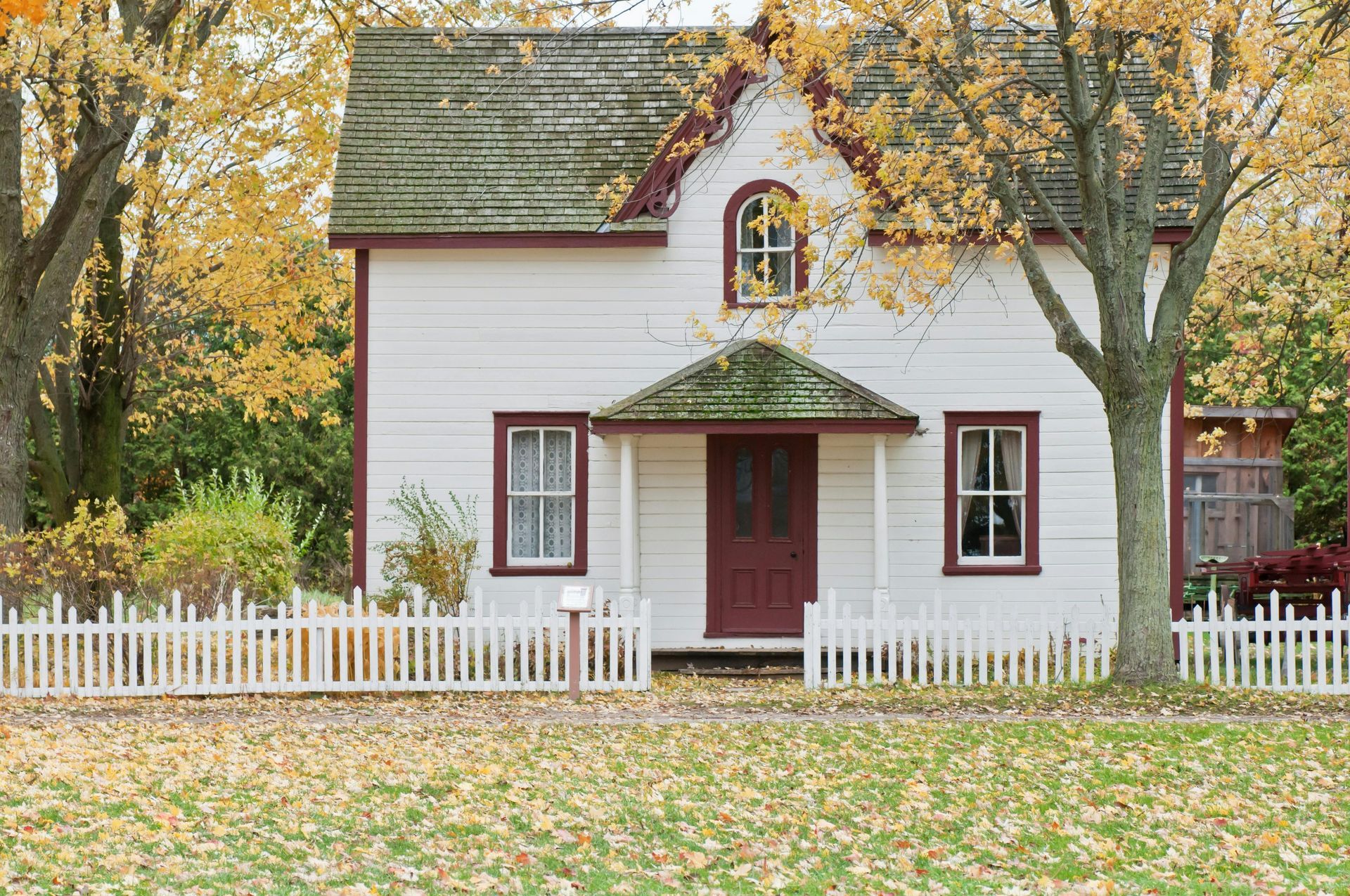
Fall is a great time to perform maintenance tasks that prepare your property for the colder months while enhancing its overall health. Seasonal upkeep not only keeps your home safe and comfortable but also ensures you can enjoy the beauty of fall without worrying about preventable issues. For tenants, maintaining a property often requires a combination of routine care, preventive measures, and smart planning. By staying proactive, tenants can help prevent costly repairs and keep their home in optimal condition.
Here’s a comprehensive guide to fall maintenance for tenants in Houston:
1. Leaf Cleanup
One of the most obvious signs of fall is the colorful leaves that cover lawns and yards. While beautiful, fallen leaves can create problems if left unchecked. Regularly raking and disposing of leaves, particularly from live oaks, is essential to keep the yard tidy. Piled-up leaves can trap moisture, promote mold growth, and even damage grass if left for long periods. For tenants, it’s a good idea to check with your landlord/ Property management if there are specific guidelines on yard maintenance, but taking proactive leaf cleanup steps can significantly improve the overall appearance of the property.
2. Gutter Maintenance
Clogged gutters are one of the most common causes of water damage in homes. During the fall, leaves and debris often accumulate in gutters and downspouts, preventing proper drainage. Tenants should clear gutters regularly or request professional cleaning if it’s included in their lease agreement. Ensuring that water flows freely away from the property helps prevent issues such as roof leaks, foundation damage, and basement flooding. Gutter maintenance is a simple yet crucial task in your fall maintenance for tenants checklist.
3. Lawn Care
While the temperature drops, lawns still require attention. Mowing the lawn as needed helps maintain a neat appearance, and fall is also an ideal time to aerate or overseed with winter grass, like rye, which keeps the yard green during cooler months. Aeration improves soil health, allowing nutrients and water to reach the roots more effectively. Overseeding fills in bare spots and ensures your lawn will look lush and healthy, even in the off-season.
4. Plant Care
Fall weather can be unpredictable, and sensitive plants may need protection from unexpected cold snaps. Covering delicate plants, moving potted plants indoors, or using mulch around garden beds can help them survive the season. Additionally, pruning perennials and removing dead foliage prevents disease and encourages new growth in spring. Healthy plants contribute to an attractive property and prevent overgrowth that could damage exterior walls or fences.
5. Irrigation System Check
Before temperatures drop, it’s essential to winterize any irrigation systems. Freezing water can damage pipes and sprinklers, leading to expensive repairs. Tenants should either follow manufacturer instructions for winterizing or request the landlord’s assistance. Ensuring your irrigation system is properly prepared helps save water and prevents potential property damage.
6. Exterior Inspection
Fall is an excellent time to inspect your home's exterior. Check for damaged window and door seals, cracked caulking, or signs of water intrusion. These inspections help prevent drafts, water leaks, and higher energy bills during the colder months. For tenants, it’s important to report any significant issues to the landlord/ Ashoka Lion promptly to ensure repairs are completed before winter sets in.
7. Heating System Preparation
A functional heating system is essential as temperatures drop. Testing your heating system before winter ensures it is working efficiently. Change filters, check for unusual noises, and schedule professional maintenance if needed. Proactively preparing your heating system improves indoor comfort and reduces the likelihood of emergency repairs during peak winter months.
8. Pest Control
As the weather cools, pests often seek warmth indoors. Fall maintenance for tenants should include sealing gaps around windows, doors, and pipes to minimize pest entry. Monitoring for signs of pests, such as rodents or insects, and taking preventive steps early helps avoid infestations that could cause damage or pose health risks.
9. Storage of Outdoor Equipment
Fall is a good time to store or cover outdoor furniture, grills, and other equipment. Exposure to rain, wind, and occasional frost can cause deterioration. Proper storage or protective covers prolong the life of these items and maintain the property’s visual appeal. For tenants, storing personal outdoor items safely also reduces the risk of accidental damage or injury.
10. Emergency Kit Update
Houston and surrounding areas can experience fall storms, making emergency preparedness essential. Tenants should review and update emergency kits, including flashlights, batteries, first aid supplies, bottled water, and non-perishable foods. Ensuring you have access to necessary items during storms or power outages is a vital part of fall maintenance for tenants.
11. Fireplace and Chimney Check
If your rental property has a wood-burning fireplace, fall is the ideal time to have it inspected and cleaned. Creosote buildup can pose a serious fire hazard. Tenants should coordinate with landlords to ensure the fireplace and chimney are safe to use. Regular maintenance keeps the home cozy and reduces risks during the colder months.
12. Exterior Pipes
Cold weather can cause pipes to freeze and burst. Wrapping exterior pipes with insulation or heat tape in the fall helps protect them from temperature fluctuations. This simple preventive measure can save tenants and landlords from costly repairs and water damage.
Maintaining open communication with Property Mnagement/landlords about repairs or modifications further supports a well-kept property.
Taking a structured approach to fall maintenance not only protects the property but also enhances the living experience for tenants. By addressing these key tasks early, you can avoid last-minute stress, reduce repair costs, and ensure your rental property remains safe, functional, and visually appealing all season long. Fall is not just a season of change in nature—it’s also an opportunity for tenants to proactively protect and prepare their home.