
Air Filter Maintenance Tips: Save Money, Improve Air Quality & Extend HVAC Life
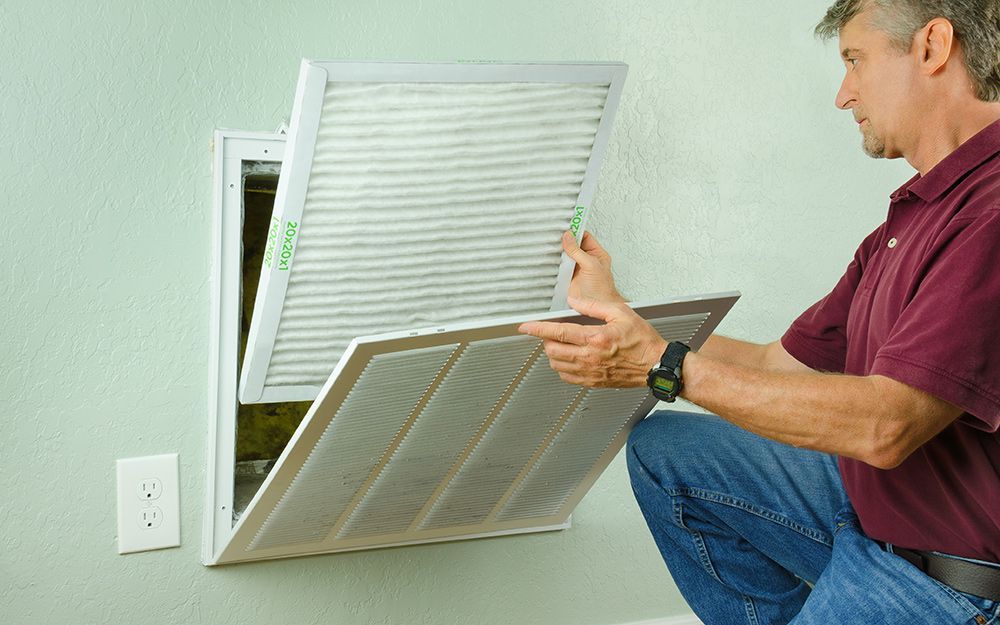
Did you know that regularly changing your air filter can significantly reduce your energy bills and improve the overall performance of your HVAC system? Proper air filter maintenance is one of the easiest and most cost-effective ways to keep your home comfortable, protect your equipment, and promote healthier indoor air. Although it only takes a few minutes to replace a filter, the impact it has on your home—and your wallet—is substantial.
Below is an in-depth look at why air filter changes matter and how they can benefit you throughout the year.
1. Improve Efficiency & Lower Energy Costs
When your air filter becomes clogged with dust, dirt, and debris, your HVAC system has to work much harder to pull air through. This extra strain causes the system to run longer and consume more electricity, which can lead to noticeably higher utility bills. A simple filter change allows air to flow freely, enabling the system to reach the desired temperature faster and operate more efficiently.
A clean filter helps your HVAC system maintain optimal airflow, which can reduce energy usage by up to 15% according to many HVAC professionals. With energy costs rising, replacing your filter regularly is a small step with a big financial payoff. The more frequently your system operates especially during peak summer and winter months—the more essential filter replacement becomes.
2. Extend the Lifespan of Your HVAC System
Your HVAC unit is one of the most expensive systems in your home, so protecting it is essential. A dirty filter forces the system to run harder, increasing wear and tear on key components like the blower motor, evaporator coil, and compressor. Over time, this added strain can lead to premature breakdowns, costly repairs, and, in the worst-case scenario, full system failure.
Replacing your filter regularly keeps your system clean and reduces mechanical stress, helping your HVAC system last longer. Many technicians emphasize that neglecting filter changes is one of the top reasons for expensive HVAC repairs. By simply keeping the filter fresh, you help your system operate smoothly, avoid unexpected breakdowns, and reduce unnecessary service calls.
3. Enhance Indoor Air Quality
Your air filter plays a major role in the quality of air you breathe every day. As your HVAC system circulates air throughout your home, the filter captures dust, pollen, pet dander, allergens, and other airborne particles. But when the filter is dirty or clogged, it can no longer trap contaminants effectively—sometimes allowing them to be recirculated back into your home.
Regular filter replacement helps:
- Reduce allergens and irritants
- Minimize dust buildup
- Improve breathing comfort
- Support overall respiratory health
- Keep your home smelling cleaner
For households with children, elderly individuals, or people with asthma or allergies, clean air filters are especially important.
4. Prevent System Overheating or Freezing
Many people don’t realize that a dirty filter can also cause heating and cooling issues. When airflow is restricted:
- The furnace may overheat, causing safety shut-offs.
- The AC coil may freeze, leading to water leaks and system failure.
These issues can lead to expensive service calls or even long-term damage.
Keeping your filter clean prevents airflow blockages and helps your system maintain proper temperature control.
5. Reduce Dust and Improve Home Cleanliness
A clogged filter allows more dust to settle around your home—on furniture, floors, and air vents. Changing the filter regularly helps reduce dust accumulation, meaning:
- Less frequent cleaning
- Reduced buildup on vents
- Better functioning air registers
Cleaner airflow contributes to a fresher, more comfortable living environment.
How Often Should You change your Air Filter?
The recommended frequency depends on your home, lifestyle, and HVAC system usage:
- Ceiling intakes: Replace filters at least once a month.
- Wall or floor intakes: Replace every 1–3 months.
- Homes with pets: Replace every 2–4 weeks, as pet hair and dander clog filters quickly.
- High-usage months (summer/winter in Houston): Replace monthly to prevent strain.
- Allergies or respiratory issues: Replace more frequently for cleaner air.
Tip: Always choose the filter type recommended by AC professionals or your system manufacturer.
Have you changed your air filter? Upload pictures of your AC filter HERE.
Signs Your Filter Needs to Be Changed
Even if you follow a schedule, certain signs may indicate the filter needs to be replaced sooner:
- Increased dust in your home
- Reduced airflow from vents
- HVAC running longer cycles
- Unusual odors when the system is on
- Higher energy bills than usual
If you notice any of these, check your filter immediately.
A Small Task That Makes a Big Difference
Taking just a few minutes every month to change your air filter can:
- Reduce energy bills
- Improve comfort
- Protect your HVAC investment
- Enhance air quality
- Prevent costly repairs
Maintaining your air filter is one of the simplest ways to keep your home running efficiently and your family breathing cleaner air.
If you ever need help determining the right filter type, understanding your HVAC system, or submitting a maintenance request, feel free to reach out through your Tenant Portal. Keeping your filter fresh is a simple habit that pays off all year long!
Explore our Maintenance Library for more tips and resources on air conditioning care.
Not enrolled in the program yet? Use this
form to sign up for our filter delivery program and help keep your HVAC system running efficiently year-round.