
Gutter Cleaning: A Crucial Tenant Maintenance Responsibility
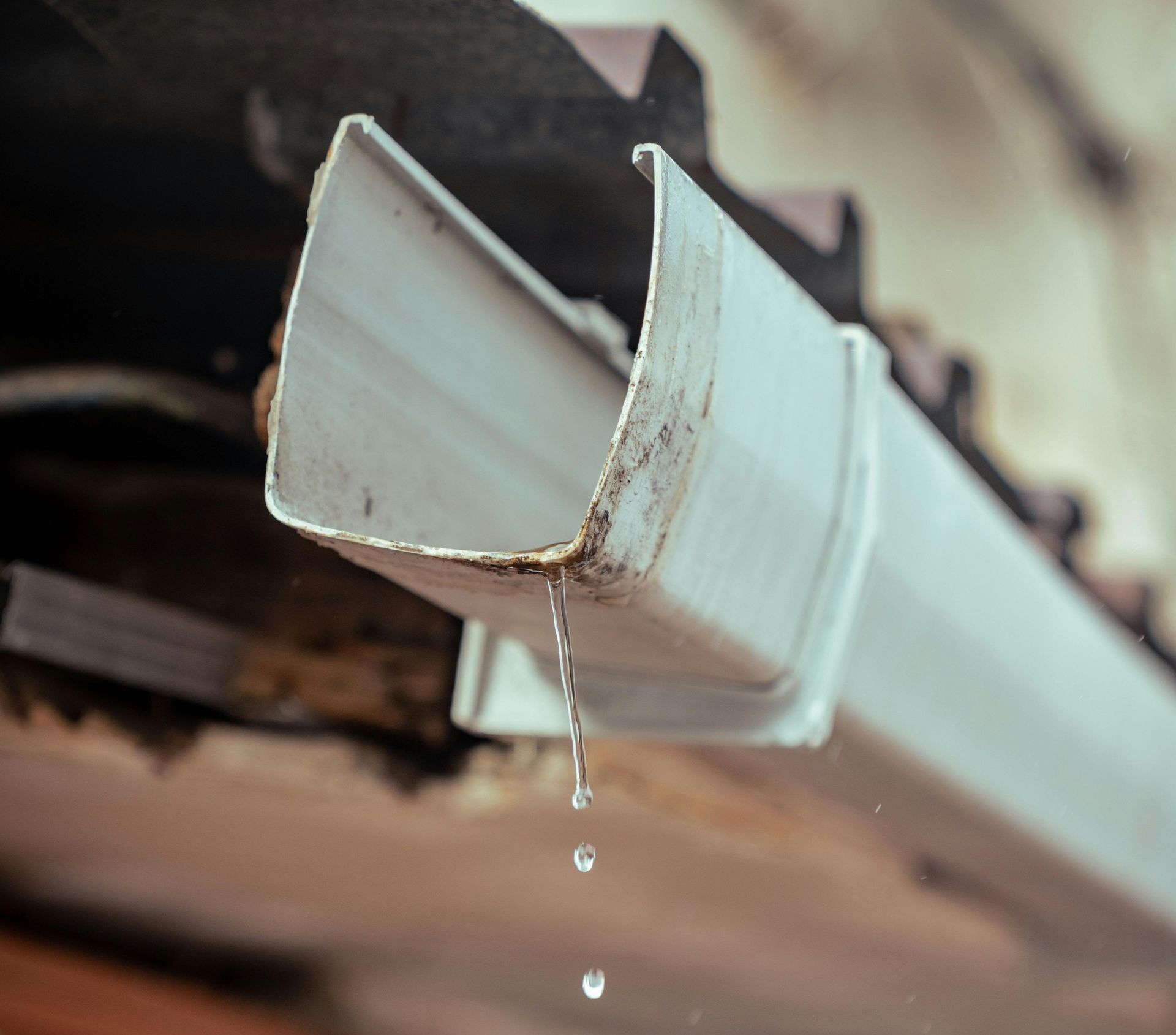
For tenants residing in a rental property equipped with gutters, regular gutter cleaning is not just a helpful practice—it is an important responsibility. Most lease agreements clearly state that tenants are required to maintain certain exterior areas of the home, and gutters often fall under this category. Keeping gutters clean helps prevent costly damage, ensures proper drainage, and protects the structural integrity of the home. Failing to clean them regularly may result in repair costs becoming the tenant’s financial responsibility, especially if damage can be traced back to neglect.
Gutter cleaning involves removing accumulated debris such as leaves, twigs, dirt, seed pods, pine needles, and other natural buildup that collects over time. Downspouts must also remain clear to allow rainwater to exit the gutters and flow safely away from the house. Though gutter cleaning may appear to be a simple task, it plays a surprisingly essential role in maintaining the health and safety of the property.
Why Gutter Cleaning Matters
Gutters are designed to collect rainwater from the roof and redirect it safely away from the home’s foundation. When debris clogs the system, water can no longer flow freely, and this can lead to a variety of problems—some minor and some extremely costly.
1. Prevent Roof and Exterior Damage
When gutters become clogged, water overflows and backs up onto the roof. Over time, the excess moisture can seep under shingles, damage roofing materials, and even contribute to leaks inside the home. Additionally, overflowing water can run down the exterior walls, causing deterioration to siding, paint, and wooden structures. This type of water damage can quickly become expensive and often is avoidable with consistent maintenance.
2. Avoid Foundation and Structural Issues
One of the most significant risks of clogged gutters is the damage it can cause to the home’s foundation. When water spills over the sides of the gutters instead of flowing through the downspouts, it typically pools around the base of the house. Excess moisture near the foundation can cause cracks, soil shifting, and long-term structural instability. Preventing this problem starts with ensuring gutters and downspouts are clear and functioning properly.
3. Reduce Mold, Mildew, and Moisture Problems
Standing water in clogged gutters provides the perfect environment for mold and mildew to grow. As mold spreads, it can impact the home’s exterior and potentially affect indoor air quality. Even if mold stays outside, moisture trapped in the structure can lead to rot and deterioration. Regular cleaning ensures water drains efficiently and reduces the chance of these issues developing.
4. Protect Landscaping
Overflowing gutters can dump large amounts of water onto flower beds, grass, shrubs, and other landscaping around the property. This can wash away soil, drown plants, and cause erosion. Maintaining the gutters helps keep landscaping intact and avoids damage to the yard that tenants may be held responsible for.
5. Prevent Pest Infestations
Clogged gutters are attractive to pests such as mosquitoes, rodents, birds, and insects. Standing water becomes a breeding ground for mosquitoes, while leaves and twigs create nesting material for rodents or small animals. Over time, pests using the gutters can find their way into the home. Clean gutters eliminate these inviting conditions and help keep the property free of unwelcome visitors.
6. Extend Gutter Lifespan
Debris left in gutters for long periods can trap moisture, leading to rust, corrosion, and eventual deterioration of the gutter material. Regular cleaning helps protect gutters from premature wear and extends their life, minimizing the need for replacements or repairs.
How Often Should Gutters Be Cleaned?
In general, gutters should be cleaned at least twice a year—once in the spring and once in the fall. These seasons typically bring the heaviest accumulation of leaves, pollen, seeds, and organic debris.
However, several factors may require more frequent cleaning:
- Surrounding Trees: Homes surrounded by tall trees or heavy foliage may need cleaning every 2–3 months.
- Storm Activity: After severe weather, heavy rains, or windstorms, additional cleaning may be necessary to remove displaced branches or leaves.
- Local Climate: Humid climates or regions that experience rapid plant growth may also lead to faster buildup.
- Roof Type: Certain roofing materials, such as older shingles, can shed granules into the gutters, requiring more frequent cleaning.
Being proactive about cleaning helps prevent sudden clogs and reduces the risk of unexpected damage.
Methods for Proper Gutter Cleaning
Cleaning gutters can be done using various methods, depending on the tools available and the height or complexity of the property.
1. Manual Cleaning
This method involves using a ladder, gloves, and a small scoop or trowel to remove accumulated debris by hand. Once debris is cleared, a garden hose can be used to rinse the gutters and flush the downspouts to ensure proper drainage.
2. High-Pressure Hose Nozzle
A high-pressure spray attachment can help dislodge packed debris or remove buildup that manual tools may miss. This is particularly useful for clearing downspouts or removing wet, compacted leaves.
3. Gutter Vacuum Systems
Specialized gutter vacuums—available for rent or through professional services—can quickly remove debris from gutters without the need for climbing onto the roof. These are especially useful for multi-story homes or properties where ladder access is difficult.
Safety Tips for Gutter Cleaning
Because gutter cleaning often involves ladders and working at heights, safety should always come first:
- Use a stable, sturdy ladder placed on level ground.
- Avoid leaning too far to one side; move the ladder as needed.
- Wear gloves to protect your hands from sharp debris.
- Have a second person nearby to help stabilize the ladder.
- Avoid cleaning during rain or strong winds.
- If you feel uncomfortable or unsafe, hire a professional service.
Regular gutter cleaning is a small yet crucial maintenance responsibility for tenants living in properties equipped with gutters. By keeping gutters clear of debris, tenants help ensure proper drainage, protect the roof and foundation, prevent mold and pest issues, and maintain the overall integrity of the property. Not only does regular cleaning prevent costly damage, but it also ensures the home remains safe, functional, and well-maintained.
Prioritizing gutter cleaning is one of the best ways tenants can protect their home and avoid unnecessary repair expenses.