
Adjusting Winter Lawn Watering Schedules for Smart Water Conservation
Tips for Water Conservation and Cost Savings
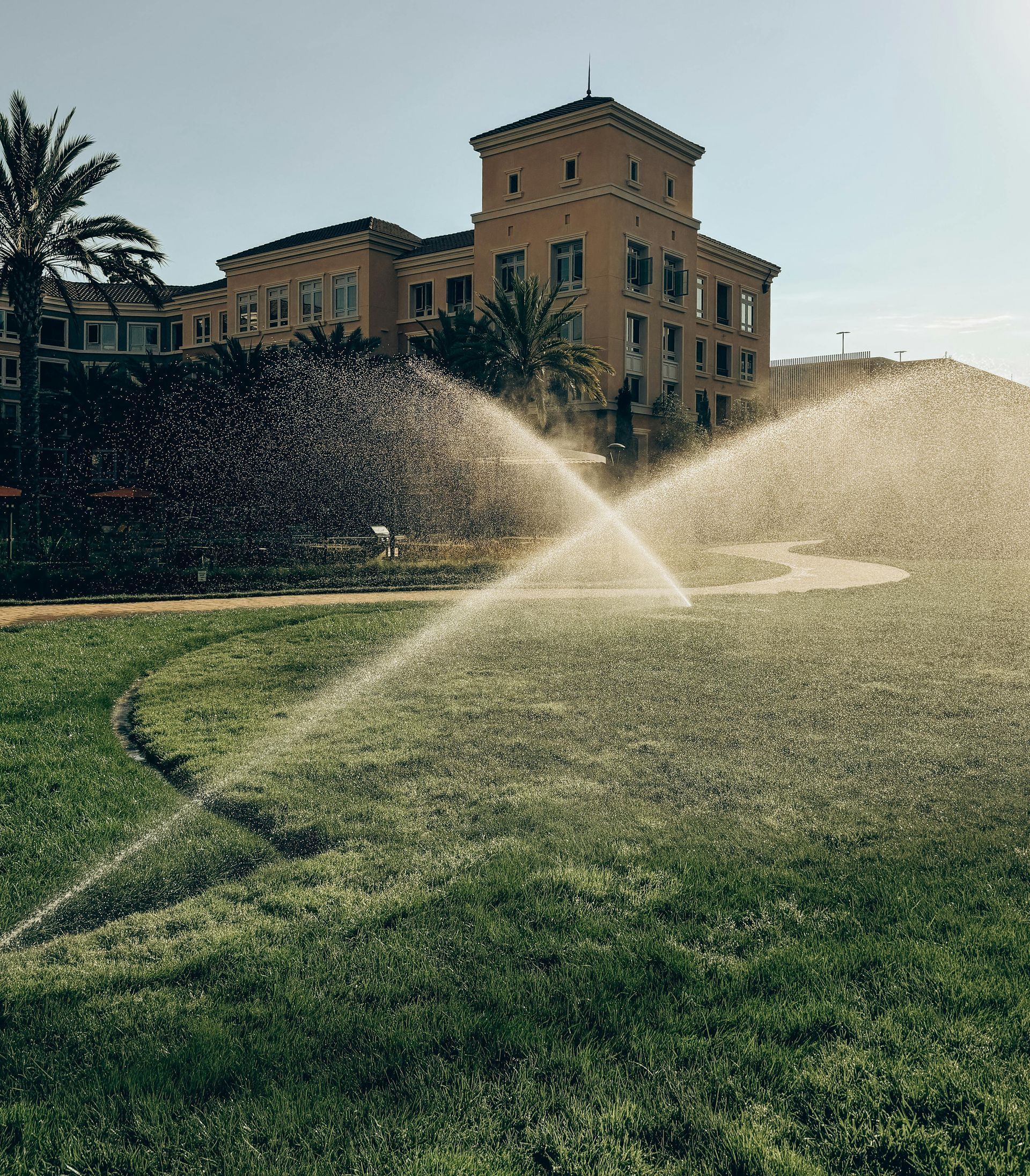
As cooler weather settles over Houston, many homeowners associations (HOAs) begin shifting their focus from summer landscaping challenges to winter maintenance and sustainability. One of the simplest yet most impactful changes HOAs can make during this period is to adjust lawn watering schedules. Between November 1 and February 28, Houston’s climate provides the perfect opportunity to conserve water, reduce utility costs, and maintain healthier community landscapes — all while supporting the city’s long-term sustainability goals.
Water conservation is not just an environmental priority; it’s a financial and community concern. Overwatering not only wastes a valuable resource but also contributes to higher HOA expenses, runoff, and landscape damage. With Houston’s humid subtropical climate, the winter months bring cooler temperatures and more frequent rainfall, meaning your community’s lawns simply don’t need as much irrigation.
Why Reducing Lawn Watering in Winter Matters
The logic behind reducing lawn watering in winter is rooted in both environmental science and economics. During Houston’s cooler months, the combination of lower temperatures and increased rainfall naturally decreases water loss through evaporation. This means that lawns, trees, and shrubs retain moisture longer, allowing communities to significantly reduce irrigation without sacrificing plant health.
1. Conserving a Vital Resource
Houston’s population continues to grow, and with that comes increasing demand for water. By scaling back watering schedules in the winter, HOAs can help conserve millions of gallons of water citywide. Conserving water during periods of lower demand also helps preserve water pressure for essential municipal needs and emergency services.
2. Lowering Utility Costs
For communities with extensive landscaping or shared irrigation systems, water bills can account for a significant portion of HOA budgets. Reducing watering frequency — from multiple times a week in summer to once every two to three weeks in winter — leads to substantial cost savings. These savings can be redirected toward other community improvements, maintenance, or reserve funds.
3. Promoting Healthier Lawns and Plants
It’s a common misconception that more water equals healthier grass. In reality,
overwatering weakens root systems and promotes fungal growth, pests, and diseases. Allowing grass and plants to experience mild dry spells encourages deeper root growth and greater drought resistance once the warmer months return.
4. Reducing Runoff and Erosion
When the ground is already saturated during the winter rainy season, additional watering can lead to runoff, washing away soil and nutrients. This not only wastes water but also damages landscaping and pollutes local waterways. By aligning watering schedules with natural rainfall patterns, HOAs can protect both their properties and the environment.
5. Supporting Sustainability Goals
Houston continues to promote citywide water conservation and environmental awareness. When HOAs participate by adjusting watering habits, they contribute to broader sustainability initiatives, helping the city manage its resources more efficiently. This responsible approach also enhances the HOA’s public image and demonstrates leadership in community stewardship.
How to Implement a Winter Watering Schedule
Reducing irrigation doesn’t have to be complicated. With a few key adjustments, HOAs can transition smoothly into a winter watering schedule that saves money and supports healthy landscapes.
1. Understand Local Regulations and Recommendations
From November 1 through February 28, Houston recommends running irrigation systems only once every 2 to 3 weeks. This aligns with seasonal water needs and local conservation guidelines. HOAs should review the City of Houston’s official water conservation recommendations and any neighborhood-specific regulations before making changes.
Communities governed by municipal utility districts (MUDs) or other local water authorities may have additional watering restrictions or incentives for conservation. Checking these guidelines ensures compliance and prevents accidental violations.
2. Optimize Watering Times
The best time to water is early in the morning typically between
4:00 a.m. and 8:00 a.m. — when evaporation rates are lowest. Watering in the evening can leave grass damp overnight, increasing the risk of fungal diseases.
If your irrigation timers are still set to summer schedules, now is the time to reset them. Adjust sprinkler heads to ensure water is directed onto lawns and planting beds rather than sidewalks or driveways. Even small adjustments can dramatically improve water efficiency.
3. Monitor Weather Patterns and Soil Moisture
While Houston winters are mild, the weather can still be unpredictable. Sudden cold fronts or dry spells can temporarily affect plant water needs. HOA landscape committees or property managers should monitor rainfall and soil moisture to determine if additional watering is necessary.
Installing simple soil moisture sensors or smart irrigation systems (discussed below) can make this process easier. Remember, many plants enter dormancy in winter, so yellowing grass doesn’t always mean it needs more water — it’s simply resting.
4. Inspect and Maintain Irrigation Systems
Winter is an ideal time for system maintenance because watering demands are lower. Take advantage of this period to inspect and repair the irrigation system before spring.
Check for:
- Broken or clogged sprinkler heads
- Leaky valves or pipes
- Uneven water coverage
- Incorrect timer settings
A properly functioning system ensures that every drop of water counts. Repairing small leaks now can prevent major water loss and expenses later.
5. Consider Smart Irrigation Technology
For HOAs that want to embrace sustainability long-term, upgrading to smart irrigation systems is a worthwhile investment. These systems automatically adjust watering schedules based on real-time weather data, soil moisture levels, and temperature changes.
Benefits include:
- Automated watering reduction during rainy periods
- Optimized watering duration and zones
- Remote control and monitoring via smartphone apps
- Data reporting on water usage and cost savings
Smart systems not only conserve water but also provide transparency — HOAs can share water-use data with residents to demonstrate measurable progress toward conservation goals.
6. Enhance Landscaping with Native and Drought-Tolerant Plants
Water conservation doesn’t stop at the sprinkler system. By gradually incorporating native and drought-tolerant plants into the community’s landscaping, HOAs can significantly reduce long-term water needs.
Native species, such as Gulf muhly grass, Texas sage, and lantana, thrive in Houston’s natural climate and require less irrigation and fertilizer than imported varieties. These plants are not only resilient but also attract pollinators like butterflies and bees, enhancing the community’s biodiversity.
7. Partner with Landscaping Professionals
Working with a professional landscaping company that understands Houston’s climate and soil conditions can help HOAs fine-tune their irrigation strategies. Landscape experts can assess current systems, recommend efficiency upgrades, and help implement smart watering schedules tailored to each property’s unique needs.
Professional maintenance contracts often include seasonal inspections, adjustments, and performance reports — valuable tools for keeping the community’s landscapes both beautiful and sustainable.
8. Encourage Resident Participation
Even though HOAs manage common area irrigation, individual homeowners play a crucial role in water conservation. Encourage residents to:
- Check for leaks in their own sprinkler systems.
- Water lawns only when necessary.
- Install rain sensors or timers.
- Use mulch in garden beds to retain soil moisture.
Hosting seasonal workshops or webinars on eco-friendly landscaping can foster a sense of community and shared responsibility for sustainability.
By adjusting irrigation schedules to every 2–3 weeks during Houston’s winter months, HOAs can maintain vibrant, sustainable landscapes while reducing costs and conserving a precious resource. Small changes like updating timers, inspecting systems, and adopting smart irrigation technology, can yield major long-term benefits.
In a city where sustainability and growth go hand in hand, responsible water management isn’t just good practice — it’s a reflection of community pride. With a thoughtful winter watering plan, Houston HOAs can set a powerful example of
how simple, strategic changes can lead to greener lawns, stronger finances, and a more sustainable future for everyone.