
Wrapping Exterior Pipes to Prevent Freezing and Damage
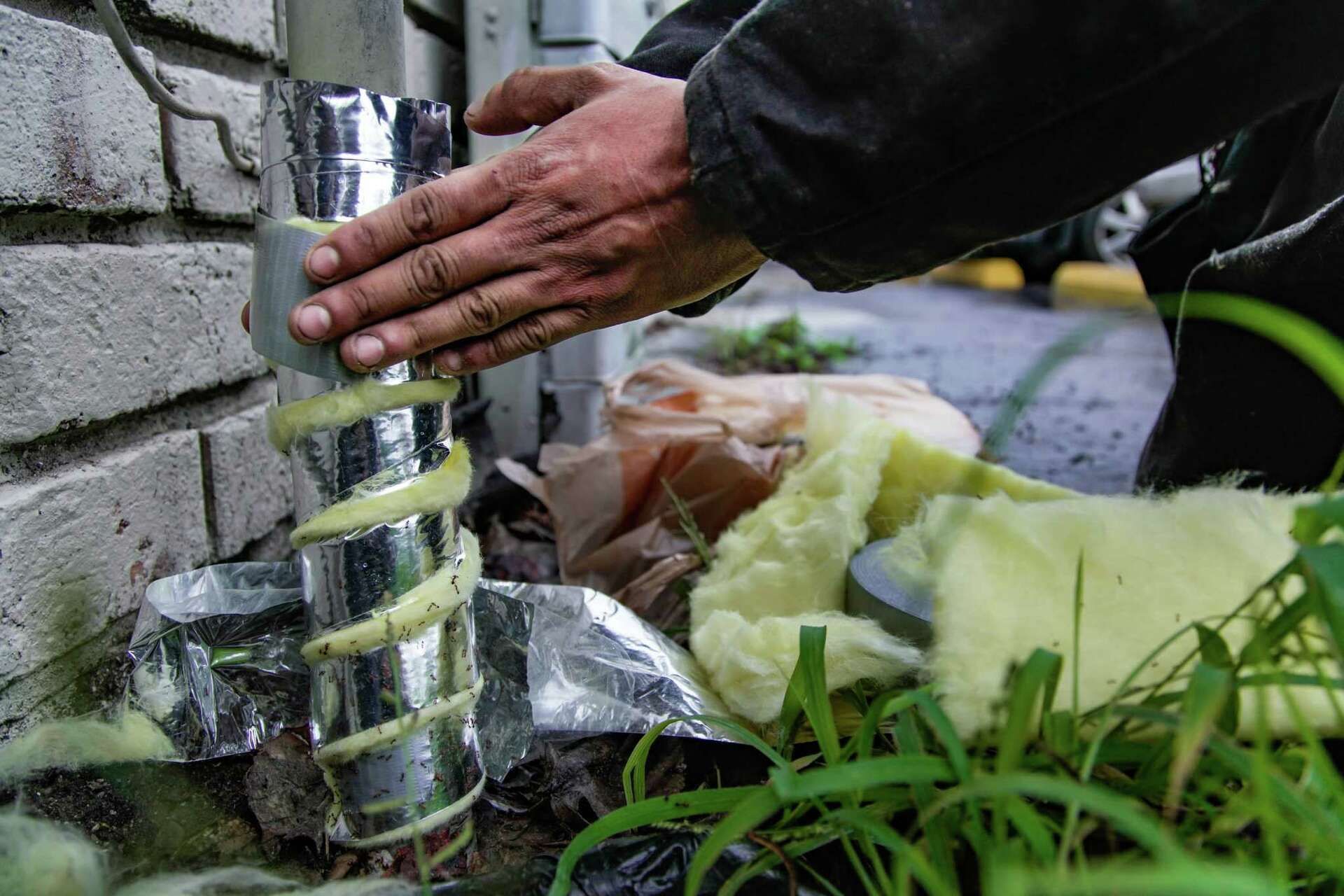
Even in Houston, occasional cold snaps can put exposed pipes at risk. As a tenant, you may not be responsible for the entire property, but taking steps to wrap and insulate exterior pipes is a smart way to protect your home, reduce the risk of frozen pipes, and prevent costly water damage.
This guide will show you why wrapping pipes matters, what materials to use, and how to do it safely.
Why Tenants Should Wrap Exterior Pipes
1. Prevent Freezing and Bursts
Cold weather can cause water in unprotected pipes to freeze, expand, and crack. Even a small crack can lead to leaks or flooding. Wrapping pipes is a simple, effective step to avoid damage during winter.
2. Protect Against Moisture and Corrosion
Outdoor pipes are exposed to rain, dew, and humidity. Insulating them helps prevent rust, corrosion, and wear, keeping the plumbing in good condition throughout your lease.
3. Safety and Convenience
Burst or leaking pipes can create slippery areas or water damage inside your rental. Wrapping pipes reduces these risks, keeping your living space safer for you and your family.
4. Maintain Water Temperature and Save Energy
For hot water pipes running outdoors, insulation helps maintain water temperature and reduces the need to run water excessively, saving on energy and utility costs.
5. Enhance Property Appearance
Neatly wrapped pipes look organized and well-kept, which helps maintain a clean and safe environment around your rental.
Materials You’ll Need
- Pipe Insulation: Foam or fiberglass sleeves suitable for outdoor pipes.
- Weather-Resistant Tape: Secures insulation in place.
- Plastic Wrap (optional): Adds extra protection against moisture for pipes exposed to rain.
- Zip Ties or Pipe Straps: Ensures the insulation stays snug.
Step-by-Step Guide for Tenants
1. Locate and Inspect Pipes
Identify which exterior pipes are exposed, such as spigots, irrigation lines, or HVAC pipes. Check for any existing damage.
2. Clean and Dry Pipes
Remove dirt, leaves, or moisture to ensure insulation adheres properly.
3. Measure and Cut Insulation
Measure each pipe segment and cut insulation slightly longer to allow for overlaps at joints.
4. Apply Insulation
Slide the insulation over pipes, covering elbows and bends carefully.
5. Secure Insulation
Use tape, zip ties, or pipe straps to hold the insulation in place. Ensure there are no gaps.
6. Optional Moisture Protection
For pipes fully exposed to the elements, cover the insulation with plastic wrap for added protection.
7. Inspect Regularly
Check pipes after storms or extreme cold and adjust insulation as needed.
Additional Tips
- Report Damage to Landlord/ Property management: If you notice leaks, corrosion, or pipe damage, inform your landlord immediately. Early reporting can prevent major repair costs.
- Use Faucet Covers: Outdoor faucets and hose connections can freeze even if pipes are insulated. Protect them with simple faucet covers.
- Be Mindful of HOA or Community Rules: If you live in a community with shared spaces, check before making changes to exterior pipes or irrigation lines.
Benefits
- Protects against frozen and burst pipes
- Reduces risk of water damage inside the rental
- Helps maintain hot water temperature and reduces utility costs
- Keeps outdoor areas safe and organized
- Demonstrates responsible tenancy and care for the property
Regularly check the insulation for wear and tear, especially after extreme weather events. Wrapping exterior pipes is an important maintenance step, especially in areas that experience temperature fluctuations or high humidity. Hence wrapping exterior pipes is a proactive step that safeguards both the infrastructure and the interests of homeowners. It promotes a healthier, safer, and more aesthetically pleasing community.
For more tips on preparing your home for winter, check out our full guide here:
Winter Home Preparation and
Winter Storm Preparedness.
Has your water bill suddenly spiked? A hidden leak might be quietly draining your wallet and you might not even know it. Discover how to spot the signs before it’s too late!
Find out how to uncover
silent leaks.