
Pest Control: What Tenants Should Know for a Safe and Healthy Home
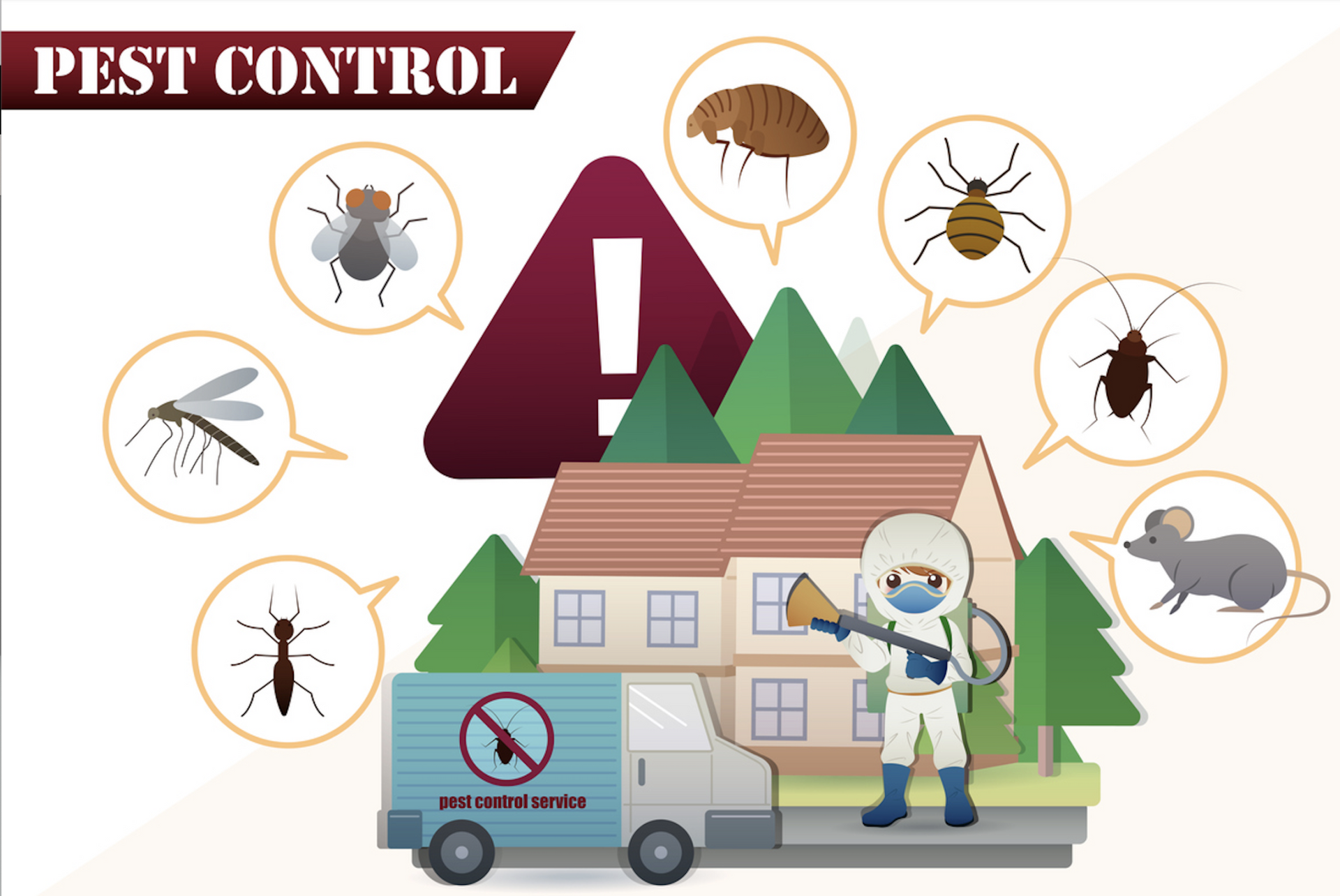
Pest control is the practice of managing and regulating unwanted pests—organisms that can cause harm to human health, property, or the environment. These pests may include insects, rodents, termites, and other creatures that enter homes in search of food, shelter, or moisture. Effective pest control relies on a combination of prevention, treatment, and monitoring strategies that help reduce or eliminate infestations. For tenants, understanding the basics of pest control is essential to maintaining a clean, safe, and healthy living environment.
Whether it’s ants in the kitchen, cockroaches in dark corners, or rodents making their way indoors during seasonal changes, pests can quickly become more than a nuisance. By staying informed and taking preventative steps, tenants can significantly reduce pest-related problems and avoid costly or invasive treatments.
Importance of Pest Control
Pest control is important not only for comfort but also for safety, hygiene, and the long-term protection of the property.
Here are some key reasons why pest control matters:
1. Protecting Health
Pests often carry bacteria, viruses, and parasites that can spread illnesses to humans and pets. Cockroaches can carry pathogens like Salmonella, mosquitoes may transmit diseases such as West Nile virus, and rodents can spread diseases through droppings and urine. Proper pest control reduces exposure and lowers the risk of infections, allergic reactions, and asthma.
2. Preventing Property Damage
Termites, carpenter ants, and rodents can cause significant structural damage to walls, insulation, flooring, and wiring. Termites alone can go unnoticed for months while quietly eating through wooden structures, resulting in thousands of dollars in repairs. Early detection and consistent pest management help preserve the integrity of the property.
3. Protecting Food & Hygiene
Pests like ants, roaches, and rodents contaminate food and food-preparation areas. They leave droppings, chew through packaging, and spread germs on surfaces. Without proper pest control, these issues can compromise food safety and create health hazards in the home.
4. Improving Indoor Air Quality
Pest allergens play a major role in respiratory issues. Cockroach droppings and dust mites can trigger allergies and asthma, especially in children or individuals with sensitive respiratory systems. Managing pests helps improve indoor air quality and creates a healthier living space.
The Main Components of Pest Control
Effective pest control is usually approached through a combination of prevention, monitoring, and appropriate treatment methods.
1. Prevention
Prevention is the first and most important step. This includes keeping living spaces clean, eliminating food and water sources, sealing entry points, and maintaining landscaping. Preventing pests from entering the home is much easier—and less expensive—than eliminating an established infestation.
2. Monitoring
Regular inspection of your space helps identify problems early. Monitoring includes checking for droppings, nests, damage, insect activity, or unusual smells. Early detection allows tenants to take action before the issue becomes severe.
3. Control Methods
Control methods vary based on the pest and its severity. These may include traps, natural remedies, chemical treatments, or professional pest control services. The goal is to minimize harm while keeping the home safe and pest-free.
Methods to Control Pests
Tenants play an important role in preventing pest infestations. Here are effective methods to keep pests away:
1. Maintain a Clean Living Space
Regular cleaning is essential.
- Wipe up spills promptly
- Clean crumbs from counters and floors
- Avoid leaving dirty dishes overnight
- Reduce clutter that provides hiding spots
A clean home is less attractive to pests looking for food and shelter.
2. Proper Food Storage
Store food in sealed, airtight containers.
Refrigerate perishable items promptly.
Avoid leaving pet food out for long periods.
Proper storage eliminates easy food sources and keeps pests away.
3. Dispose of Garbage Regularly
Use trash cans with tight-fitting lids and empty them frequently. Overflowing or uncovered garbage attracts flies, ants, rodents, and other pests.
4. Fix Moisture Issues
Many pests especially roaches, mosquitoes, and rodents are attracted to moisture.
Fix
leaks under sinks, behind toilets, and around appliances.
Remove standing water around the property.
Moisture control is key to preventing infestations.
5. Seal Entry Points
Check for cracks, holes, or gaps around:
- Windows
- Doors
- Pipes
- Baseboards
- Exterior walls
Seal these openings with caulk or weatherstripping to prevent pests from entering.
6. Use Natural Deterrents
Essential oils like peppermint, eucalyptus, lemon, or tea tree oil can repel insects.
Pest-repelling plants such as mint, lavender, rosemary, and marigolds can be placed near entryways to discourage pests from approaching. Check out more
natural methods of pest control.
7. Use Traps for Rodents or Insects
Sticky traps, snap traps, or bait traps can help control small infestations before they grow. These are effective, non-toxic options.
8. Safe Use of Chemicals
If using pesticides:
- Follow label instructions carefully
- Keep children and pets away
- Avoid overuse
- Dispose of leftover chemicals properly
When infestations persist or seem severe, professional pest control services may be necessary.
9. Know Common Houston Pests
Houston’s warm, humid climate makes it a hotspot for various pests. Tenants should familiarize themselves with the most common ones:
• Ants:
Often found near food sources or entry points. Fire ants can be aggressive outdoors.
• Cockroaches:
Look for droppings, musty odors, or egg cases. They hide in kitchens, bathrooms, and warm, dark areas.
• Termites:
Watch for mud tubes, damaged wood, or swarmer insects in spring. Early detection prevents extensive structural damage.
Tenant Responsibilities
Tenants should follow basic pest-prevention practices and report serious infestations promptly. Responsibilities usually include:
- Keeping the home clean and free of food attractants
- Reporting leaks, moisture issues, or pest sightings immediately
- Following the lease agreement regarding pest prevention
- Submitting maintenance requests through the tenant portal
- Documenting pest activity with photos if needed
- Maintaining communication with the landlord about concerns
Quick reporting helps prevent small problems from becoming larger, more expensive issues.
When to Contact the Landlord or Submit a Maintenance Request
Tenants should notify their landlord if they observe:
- Rodents
- Termites
- Bed bugs
- Severe cockroach activity
- Repeated ant infestations
- Structural damage caused by pests
- Pest issues that persist despite regular cleaning
In most cases, landlords are responsible for addressing large-scale infestations or structural pest issues, while tenants handle routine prevention.
Regular pest control is an essential part of maintaining a safe, healthy home. By staying proactive—cleaning regularly, sealing entry points, storing food properly, and reporting issues early—tenants can prevent infestations and protect both their wellbeing and the property. Proper pest management saves time, money, and stress in the long run.
For more guidance, be sure to check out resources from the
Environmental Protection Agency (EPA) and
Texas law about tenant rights laws regarding pests and mold in rental homes.