
Understanding Temperature Differential and Optimizing AC Efficiency in Houston Homes
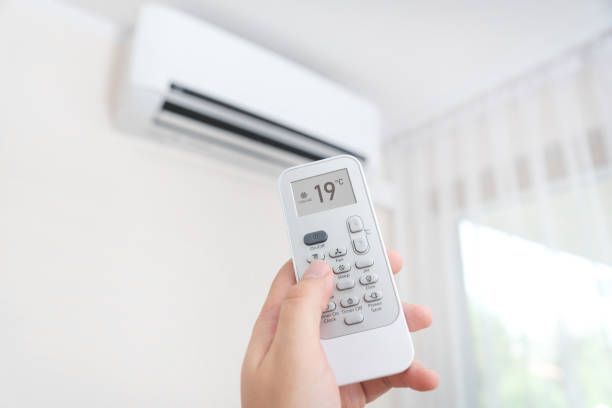
When you step into a cooler room from a warm outdoor environment, you immediately notice the temperature difference. This difference, referred to as the temperature differential, is the gap between two points or objects—in this case, between the indoor and outdoor environments. Understanding this differential is essential because it directly impacts how efficiently your air conditioning (AC) system operates and, ultimately, your energy costs.
What is Temperature Differential?
Temperature differential refers to the difference in temperature between two points. In HVAC systems, it often describes:
- The difference between indoor and outdoor temperatures
- The difference between supply air (air coming from AC vents) and return air (air drawn back into the system)
A larger temperature differential usually means the AC has to work harder to cool your home. For example, if it’s 105°F outside and you want your home at 70°F, the AC system must work intensively, consuming more energy and increasing operational costs. Conversely, when outdoor and indoor temperatures are closer, the system operates more efficiently, using less energy while maintaining comfort.
Ideal Temperature Differential for AC Systems
For most residential AC units, the ideal temperature differential between supply air and return air is 15–20°F. This indicates that the AC system is cooling efficiently. If the differential is significantly lower, it could suggest underlying issues such as:
- Poor airflow due to blocked vents or ducts
- Insufficient refrigerant levels
- Inadequate insulation
- Open doors or windows letting warm air in
- Non-LED light bulbs generating extra heat
- Inefficient window coverings
Understanding these factors is crucial, especially in hot and humid climates like Houston, TX, where maintaining a significant differential can be challenging.
Challenges in Hot Climates
Houston is known for its extreme summer heat, with temperatures frequently exceeding 95°F and heat indexes climbing even higher due to high humidity. In such conditions, cooling a home to a large differential may not be practical or cost-effective. For instance, if the outdoor temperature reaches 105°F, your home may only realistically cool to 85–90°F without incurring high energy costs. Attempting to achieve a larger differential in these conditions can:
- Place excessive strain on the AC system
- Significantly increase electricity bills
- Shorten the lifespan of the AC unit
Therefore, optimizing comfort in a way that balances efficiency and cost is essential.
Tips to Optimize Temperature Differential and AC Efficiency
Here are practical strategies to maintain a comfortable indoor environment while reducing energy consumption:
1. Adjust Your Thermostat Wisely
Set your thermostat to a temperature that is comfortable but not drastically lower than the outside. Extreme differences force the system to run longer, increasing energy consumption. Using a smart thermostat can automate adjustments based on occupancy, schedules, and outdoor conditions, optimizing efficiency.
2. Improve Insulation and Sealing
Proper insulation keeps cooled air inside and prevents hot outdoor air from entering. Seal gaps around windows, doors, and vents to minimize temperature loss and reduce the burden on your AC.
3. Use Ceiling and Exhaust Fans
Ceiling fans help circulate cooled air, creating a wind-chill effect that makes the room feel cooler. Remember to turn fans off when leaving the room to save energy. Additionally, use exhaust fans in kitchens and bathrooms to remove excess heat and humidity.
4. Install Effective Window Coverings
Blackout curtains or shades can block sunlight and reduce indoor heat gain. Ensure the curtains cover the full window and extend beyond the edges for maximum efficiency. Reflective window films or shades can also help in extremely sunny areas.
5. Consider Outdoor Shading
Planting trees, adding awnings, or installing shading structures can reduce direct sunlight exposure, lowering the indoor temperature and decreasing the load on your AC system
6. Maintain Your AC System
Regular cleaning and replacement of air filters are essential. Scheduled professional servicing ensures your system runs efficiently, prevents breakdowns, and maintains optimal temperature differential. Clean coils, ducts, and vents also improve airflow and cooling performance.
Energy and Cost Implications
Air conditioning represents a significant portion of household energy consumption, especially in Houston’s hot climate. The larger the temperature differential, the more energy your system uses. Optimizing cooling strategies not only maintains comfort but also reduces electricity bills. For example:
- Medium central AC units (up to 1,600 sq. ft.) will use less energy if differential is managed efficiently
- Larger central AC units (over 1,600 sq. ft.) can benefit even more from insulation, shading, and proper thermostat use
You can also use online energy cost calculators to estimate monthly electricity expenses based on your AC size and local temperatures, helping you plan and budget effectively.
Balancing Comfort and Efficiency
It’s important to accept that in extreme heat, maintaining a perfectly low indoor temperature relative to outdoor conditions may be unrealistic. The goal should be
achieving a balance between comfort, energy efficiency, and AC system longevity. Simple adjustments like proper thermostat settings, window treatments, fans, insulation, and shading can significantly reduce energy use without sacrificing comfort.
Effective cooling strategies can significantly reduce your energy bills. Air conditioning can be a major expense, so conserving energy helps keep costs down. You can try to mitigate, but with the higher heat index in Houston, it may not be achievable without extensive additional cost in your energy bills because the system will run longer and harder. You can use this energy cost estimate
HERE to get an idea of what your monthly electricity cost would be using a medium central AC (commonly in homes up to 1600 square feet) or a large central AC (commonly in homes over 1600 square feet).