
Importance of Planting in the right season
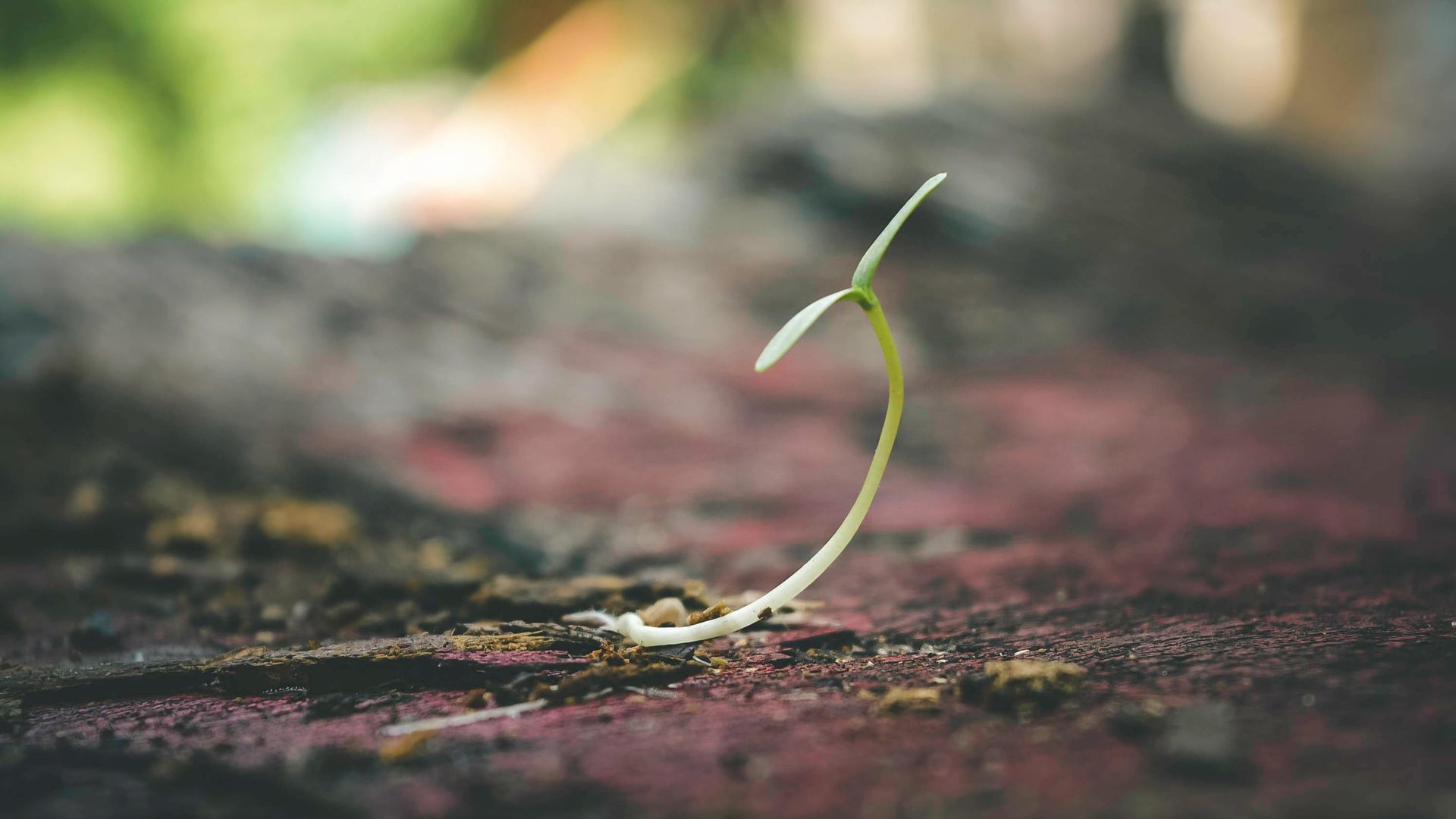
Planting in the right season is one of the most important factors in creating a successful and beautiful garden. For homeowners and tenants in houston,understanding when and what to plant can make the difference between a thriving landscape and one that struggles against the weather.
Houston’s humid subtropical climate means hot, humid summers and mild winters—a combination that allows for year-round gardening, but also requires careful planning. By choosing the optimal planting time for your region, you can ensure healthier plants, conserve water, and achieve the best possible growth and bloom throughout the year.
Why Seasonal Planting Matters?
Planting in the right season allows plants to establish strong roots and adapt to their environment before facing extreme weather conditions. Every plant has a natural growing cycle, and aligning your gardening schedule with that cycle helps ensure success.
For example, cool-season crops such as lettuce, spinach, kale, and broccoli thrive in fall and early spring when temperatures are mild. Planting them too late in the year, when heat and humidity rise, often leads to stunted growth or early bolting (premature flowering). On the other hand, warm-season plants like tomatoes, peppers, and basil need plenty of warmth and sunshine and should be planted after the last frost.
By timing your planting correctly, you allow your garden to flourish naturally with fewer interventions—less watering, fewer pesticides, and less replanting.
Seasonal Planting : What to Know
Houston’s seasons offer unique opportunities for gardeners. While the city rarely experiences freezing winters, the intense summer heat and occasional cold snaps can stress young plants if not timed properly.
Spring (March–May)
Spring is
prime time for most Houston gardeners. The soil warms up, rainfall increases, and the danger of frost passes.
Ideal for planting:
- Warm-season vegetables like tomatoes, cucumbers, squash, peppers, and beans
- Annual flowers like marigolds, zinnias, and impatiens
- Shrubs and perennials that will establish before summer
Summer (June–August)
Summer in Houston can be challenging, with high temperatures and heavy humidity. Only heat-tolerant plants should be added.
Best options include:
- Drought-resistant plants like lantana, vinca, and salvia
- Mulching to protect roots and conserve soil moisture
- Regular watering early in the morning to reduce evaporation
Fall (September–November)
Fall is often considered the
best planting season in Houston. The weather cools down, yet the soil remains warm—perfect for root development.
Best options:
- Cool-season vegetables like kale, lettuce, spinach, and carrots
- Shrubs, trees, and perennials that benefit from mild weather before winter
- Re-seeding lawns or refreshing landscaping beds
Winter (December–February)
Houston winters are mild enough to allow for limited planting. Focus on:
- Hardy herbs like rosemary and parsley
- Cold-tolerant vegetables like cabbage, collards, and turnips
- Planning next year’s garden—soil improvement, composting, and mulching
Watering Wisely by Season
Watering needs vary significantly by season. When you plant during the optimal time, your plants align better with natural rainfall patterns, helping reduce water waste.
In spring and fall, rainfall tends to be more consistent, which supports root growth with minimal irrigation. However, during Houston’s scorching summer months, high temperatures cause increased evaporation, leading to greater watering needs.
Simple water-saving tips include:
- Watering early in the morning or late in the evening
- Using drip irrigation systems for efficiency
- Applying mulch to retain soil moisture and prevent weeds
- Grouping plants with similar water needs together
Smart watering not only helps your garden but also makes your landscaping more cost-effective and sustainable.
Pests and Plant Health: Timing Matters
Different pests become active at different times of the year. Planting during the right season can help you minimize pest damage naturally.
For instance, aphids, whiteflies, and spider mites thrive in hot, dry conditions. By planting early in spring, your garden can establish before pest populations surge. Likewise, fall planting can reduce exposure to many summer insects, allowing your plants to grow healthier with less pesticide use.
You can also:
- Encourage beneficial insects like ladybugs and lacewings
- Rotate crops seasonally to disrupt pest cycles
- Inspect leaves regularly for signs of damage
Healthy plants that grow in their proper season are naturally more resistant to disease and infestation.
Soil Temperature and Root Development
Soil plays a central role in plant success. Its temperature and moisture content change with the seasons, directly influencing seed germination and root development.
During the warmer months, soil is usually ideal for germination but can become too hot for delicate young plants. Conversely, cooler seasons especially fall and early spring offer more stable soil conditions, which promote better root establishment. Adding organic matter or compost improves soil structure, increases moisture retention, and provides essential nutrients for seedlings.
Landscaping and Resource Efficiency
Planting in the right season also helps conserve time, money, and natural resources. A garden that is well-timed to local conditions requires:
- Less frequent watering
- Reduced fertilizer use
- Fewer plant replacements
For homeowners, this translates into lower maintenance costs and a more sustainable landscape. Consider choosing native plants that naturally thrive in Houston’s climate, such as Texas sage, Turk’s cap, and black-eyed Susan. These plants are not only beautiful but also drought-tolerant and pest-resistant.
Setting Your Garden Up for Success
Planting in the right season is about working with nature, not against it. For Houston residents, this means taking advantage of the city’s mild winters and long growing seasons while respecting the limits of its summer heat.
By understanding seasonal planting cycles, monitoring local weather conditions, and staying consistent with proper watering and soil care, you can create a lush, resilient garden that enhances your home’s beauty and sustainability year-round.
Whether you’re a new homeowner or a tenant caring for a small yard or patio garden, timing your planting will ensure that your plants are healthier, your garden is more productive, and your efforts bring lasting results.
Key Takeaways
- Spring and fall are Houston’s best planting seasons.
- Match plants to their preferred growing temperatures.
- Water efficiently to reduce waste and costs.
- Use mulch and compost to protect soil and improve fertility.
- Monitor pests and plant before they peak in population.
Plant smart, plant seasonal, and watch your garden thrive .