
Preparation Tips During a Winter Storm in Houston
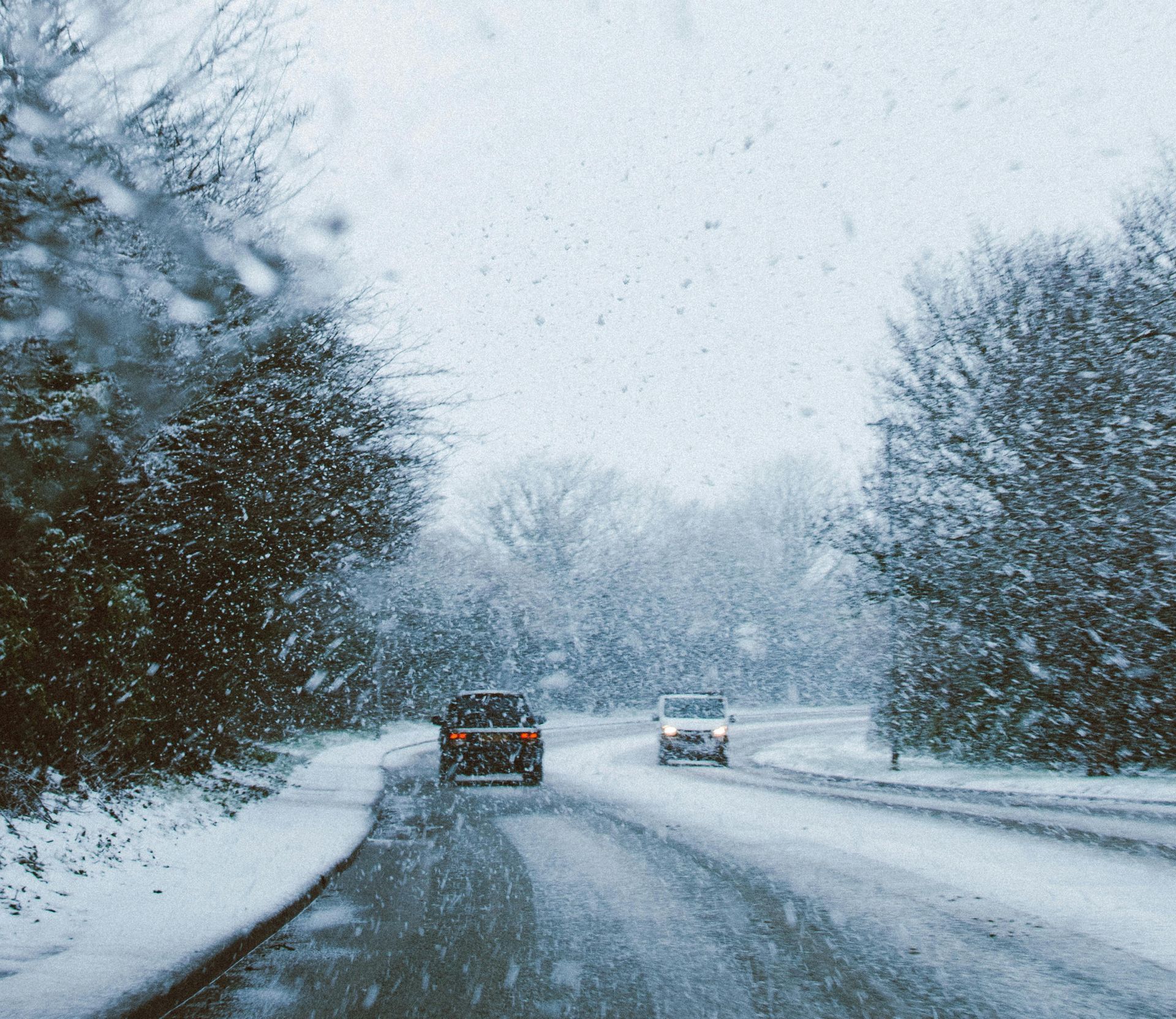
As winter weather approaches, tenants in Houston area should be aware that frigid temperatures, sleet, or snow may impact their homes and safety. The National Weather Service forecasts that below-freezing conditions could hit early this week, bringing the risk of hazardous conditions indoors and out. Being conscientious ahead of time to prepare your home and yourself can make a real difference.
Here are ten key areas of preparation, complete with actionable steps to help you stay safe, comfortable, and protected during a winter storm.
1. Dress Smart When You Go Outside
When temperatures drop sharply, outdoor exposure becomes a real risk. Wear layers, including an inner thermal or moisture-wicking base layer, a fleece or wool middle layer, and a wind- or waterproof outer layer. Don’t forget gloves or mittens, a warm hat, and a scarf or neck warmer. These items help prevent loss of body heat and protect from wind-chill and cold-related injuries.
2. Seal Windows, Doors & Prevent Drafts
Cold air entering your home not only makes you uncomfortable, but can put extra strain on heating systems and increase the risk of frozen or burst pipes.
- Ensure windows and doors are properly sealed. This includes checking weather-stripping, replacing worn seals, and using draft stoppers at the base of doors.
- Leave cabinet doors under sinks open (especially those on exterior walls) so warm air circulates around pipes.
- Consider adding inexpensive window insulation kits or using thermal curtains to reduce heat loss.
- If you live in a rental with an outside wall, reporting visible gaps or drafts to your landlord ensures timely repair.
3. Check Your Heating System & Report Issues
Your home's heating system is absolutely critical during cold weather. Tenant responsibilities often include informing the landlord of any malfunction.
- Turn the heating system on early to verify it is working properly.
- Replace or clean filters if accessible.
- Ensure heaters are plugged directly into outlets (not extension cords), and verify cords or plugs aren’t damaged or frayed.
- If you notice strange noises, lack of heat, or uneven temperature, contact your landlord or maintenance promptly.
According to the Texas Ready guidelines, “Tenants should have emergency heating equipment approved for indoor use” in place. TexasReady.gov
Also, the Houston Office of Emergency Management (OEM) advises winter prep under the “Four P’s”: People, Pets, Pipes and Plants. houstonoem.org
4. Insulate Exposed Pipes & Prevent Freezing
Cold weather can cause water inside pipes to freeze, expand, crack, or burst—leading to costly damage, flooding and inconvenience.
- Wrap any exposed water or drain lines, especially those running along outside walls, in insulation sleeves or foam. Learn more on how to do it HERE
- Disconnect garden hoses from exterior faucets, turn off sprinkler systems and drain lines where applicable.
- Let faucets drip slowly during very cold spells to keep water moving and reduce the chance of freezing.
The International District blog underlines that even in Houston’s moderate winters, frozen pipes are a very real threat if tenants and owners are unprepared.
5. Prepare for Power Outages & Cold Conditions
Winter storms may include power outages, leaving heating systems, lighting, and other appliances out of service. Tenants should be ready:
- Keep a flashlight (or two), extra batteries, warm blankets, and portable phone charger on-hand.
- Maintain sufficient food, bottled water, required medications—and pet supplies if applicable—for at least 72 hours.
- Register for local alert services such as AlertHouston (via the Houston OEM) to receive up-to-date emergency notifications. houstonoem.org
- If you rely on medical equipment or have children or family members with special needs, ensure you have a backup plan in place.
6. Clear Walkways, Parking Areas & Communicate With Landlord
Slippery ice, snow or sleet on walkways, driveways and parking lots can create serious hazards.
- submit maintenance requests promptly for clearing common areas.
- Use sand, ice-melt or salt (as permitted) to improve traction in walkways.
- Avoid returning from a cold outing only to find you cannot access your parking space or safe path.
7. Protect Your Plants and Outdoor Belongings
Cold, wind or freezing precipitation can severely damage plants, outdoor furniture and patio equipment.
- Bring potted plants indoors or tarp them securely before anticipated freezes.
- Secure or store outdoor furniture, grills and other items that could be damaged or become hazardous in icy conditions.
- Cover or insulate delicate trees/shrubs with burlap or frost cloths.
8. Build and Update Your Emergency Kit
An emergency kit tailored for winter weather should include:
- 1 gallon of bottled water per person per day (for at least 3 days)
- Non-perishable food items and manual can opener
- Warm clothing, blankets, gloves, hats and socks
- Flashlight and extra batteries
- First-aid kit, medications and copies of important documents
- Portable phone charger, backup car charger and basic tool kit
The Texas Ready site emphasizes: “The Disaster Supply Kit should be kept in an easily accessible place.” TexasReady.gov
Keep this kit in your home and, if practical, a smaller version in your vehicle.
9. Know Your Emergency and Maintenance Contacts
When winter storms strike, time matters. Tenants should:
- Keep their landlord or property manager’s emergency 24/7 contact number readily available.
- Know how to turn off the water main in case of a burst pipe event.
- Know your local warming shelters, community resources and transportation assistance. For Houston, many shelters and emergency services are coordinated via 2-1-1. houstonoem.org
- Register promptly for local alerts and “special needs” registries if applicable.
10. Stay Informed and Follow Weather Warnings
Always monitor forecasts and heed official alerts. The National Weather Service issues freezing rain, sleet, and snow warnings that are critical for Texas residents.
- Use local news, official apps or websites for timely updates. An article on preparing for winter storms highlights that when freezing rain or ice is forecast, staying off the roads dramatically increases safety. KPRC
- If an advisory is issued, plan to stay inside, avoid non-essential travel, and implement your emergency plan early.
11. Property Maintenance That Tenants Should Address
Beyond personal safety, there are maintenance steps you as a tenant can initiate to protect your home:
Check Alarms & Detectors:
- Test smoke detectors and carbon monoxide alarms. Winter often means increased indoor heating which correlates with fire or CO risk.
- Replace batteries if needed. For more on risks, refer to the Houston Apartment Association safety tips.
imis.haaonline.org
Check for Leaks & Cracks: - Inspect around windows, doors and baseboards for gaps or cold drafts.
- Report any moisture or leaks—especially near exterior walls—to avoid mold or damage during freezing.
Avoid Using Unsafe Heating Sources: - Never use your oven or a charcoal/propane grill to heat your home. These create carbon monoxide risk. imis.haaonline.org
12. Travel and Vehicle Safety
If you must travel in adverse winter weather:
- Ensure tires are properly inflated and have sufficient tread.
- Keep your gas tank at least half full in case you become stranded.
- Pack an emergency vehicle kit: blankets, flashlight, water, snack, phone charger and traction aids (e.g., sand or kitty litter).
- Avoid travel when road conditions are icy or snow-covered. Houston roads have seen major accidents and closures during freeze events. Houston Chronicle
13. Stay Visible and Communicate With Neighbors
Winter storms affect the entire community. You can help:
- Keep a portable phone charger or power bank so you can stay connected.
- If you have neighboring support, check on each other—especially those who are elderly or have mobility issues.
- Stay aware of pets or animals that might be vulnerable to cold or exposure.
The Houston OEM reminds residents to care for “People, Pets, Pipes and Plants” in winter scenarios. houstonoem.org
14. Post-Storm Recovery & Inspection
After the worst of the weather passes:
- Inspect your home for damage—roof leaks, water intrusion, cracked pipes, damaged landscaping or fences.
- Shovel or clear any ice or snow from entryways to avoid slipping hazards.
- If you notice broken or failing heating equipment or insulation issues, submit maintenance requests promptly.
- Use caution with any power restoration—reset circuit breakers and ensure safe use of space heaters or generators.
15. Understanding Your Lease & Tenant Responsibilities
- Tenants should review their lease to understand which maintenance tasks they are responsible for and which are the landlord’s duty.
- Ensure you document conditions prior to the storm—take photos, note any gaps or damage—and keep copies of requests sent to the landlord.
Winter storms in Houston may not be as intense as in northern states, but cold snaps, sleet, icy roads, and heavy wind still pose real risks to renters and homeowners alike. By preparing ahead, solidifying your personal safety kit, inspecting your rented home, and maintaining open communication with your landlord, you stand a much better chance of weathering the event with minimal stress and damage.
Stay safe, stay warm and don’t wait until the warning pops up. The more proactive you are now, the better your comfort and peace of mind will be when freezing conditions hit.
It's also important to review and take care of key property maintenance tasks for the winter season.