
Is It Illegal to Park in Front of a House in Texas?
What HOA Residents in Gated Communities Need to Know
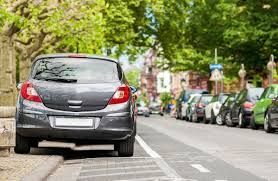
Parking is one of the most common sources of questions—and conflicts—in residential communities, especially in
HOA-managed and gated neighborhoods. Many homeowners and tenants wonder:
“Is it illegal for someone to park in front of my house?”
The answer depends on whether the street is public or private and what Texas law and HOA rules set as important boundaries.
Public Streets vs. Private HOA Streets
Public Streets (City-Owned Roads)
In most Texas cities, public streets are considered public space, which means:
- Anyone can legally park along the curb
- You do not own the street space in front of your home
- Parking is allowed as long as local ordinances are followed
However, parking may still be restricted if the vehicle is:
- Blocking a driveway or mailbox
- Parked in a fire lane or near a fire hydrant
- Obstructing traffic or creating a safety hazard
- Violating city time limits or permit requirements
In these cases, the city—not the HOA—handles enforcement.
Private Streets in HOA or Gated Communities
In gated communities or private streets, the rules are different.
Because the roads are owned and maintained by the HOA, the association can legally create and enforce its own parking rules, such as:
- No street parking allowed at any time
- Overnight parking restrictions
- Resident permit or guest pass requirements
- Limits on commercial vehicles, trailers, or RVs
- Towing enforcement for violations
These rules are outlined in the community’s CC&Rs (Covenants, Conditions & Restrictions) and parking policies.
Texas Parking Laws Every Homeowner Should Know
Texas parking rules are primarily governed by the Texas Transportation Code §545.302 and Texas Transportation Code §545.301.
These laws establish that parking is allowed unless specifically restricted, but they also outline important safety limitations.
Parking is NOT allowed in these situations:
Under §545.302 and §545.301, drivers may not park:
- On sidewalks (to keep pedestrian pathways clear)
- In intersections or crosswalks
- In front of public or private driveways
- Within 15 feet of a fire hydrant
- Near stop signs or traffic signals where visibility is reduced
- In a way that blocks traffic flow (including double parking)
These restrictions are in place to protect emergency access, visibility, and traffic safety.
Can Someone Park in Front of Your House?
Yes—if the street is public and there are no restrictions, anyone may legally park in front of your home.
Texas law is clear that:
- Curbside parking spaces are shared public use
- Homeowners cannot reserve street parking for themselves
- Renters have the same rights as property owners
This ensures fairness and prevents discrimination based on ownership status.
Towing, Fines, and Enforcement
Under Texas Transportation Code §545.305, vehicles that violate parking laws or create hazards may be ticketed or towed.
HOAs may also impose:
- Fines for rule violations
- Towing from private community streets
- Repeat violation penalties
🚫Common Parking Violations in HOA Communities
Residents and guests should avoid:
- Parking in fire lanes or red-curb zones
- Blocking sidewalks, driveways, or garages
- Parking in guest spaces long-term
- Storing inoperable or unregistered vehicles
- Parking oversized/commercial vehicles without approval
Even if a street looks open, HOA rules may still restrict parking.
Best Practices for Homeowners
To avoid fines or towing, residents should:
- ✔ Review your HOA parking policy and community rules
- ✔ Check whether your street is public or private
- ✔ Use your garage and driveway first
- ✔ Register guest vehicles if required
- ✔ Follow all posted signs and curb markings
If you are unsure, contact your HOA or property management team before parking long-term on the street.
Why These Rules Matter for HOAs
Clear parking policies backed by Texas law help:
- Protect emergency vehicle access
- Reduce accidents and visibility hazards
- Ensure fair access for all residents
- Prevent neighbor disputes and complaints
- Maintain property values and curb appeal
Final Thoughts
Parking in front of someone else’s home in Texas is usually legal, but it must comply with Texas Transportation Code §545.302, regulations, local ordinances, and HOA rules.
By understanding both state law and community guidelines, residents can:
✔ Avoid fines and towing
✔ Reduce neighborhood conflicts
✔ Keep streets safe and accessible for everyone
You cannot reserve or “own” the curb space in front of your home on public streets. In gated or HOA communities, parking rules are often stricter and enforceable. The best way to avoid issues is to know your community rules and follow posted guidelines
Have questions about your community’s parking policies?
Reach out to your HOA or management team for clarification—we’re here to help keep the community safe, organized, and accessible for everyone.