
NIne Hurricane Preparedness Tips: What Every Tenant Should Know
Hurricane Preparedness
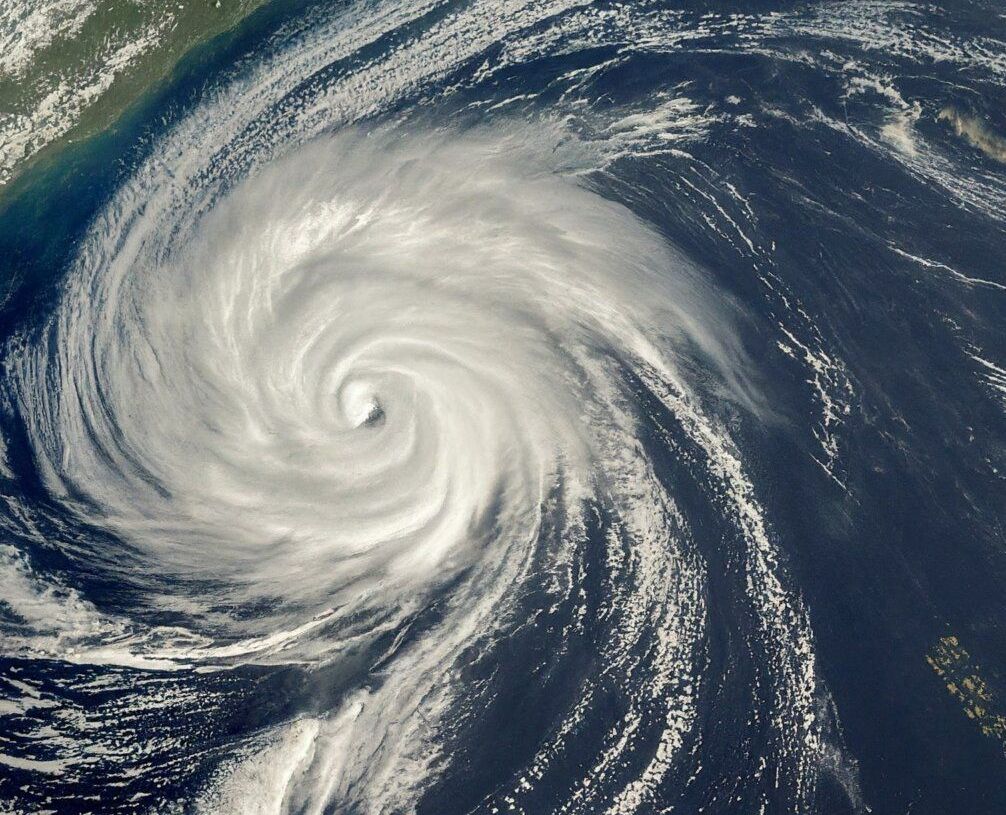
Living in Houston means being no stranger to hurricane season. With its proximity to the Gulf of Mexico, the region can experience severe storms, heavy rainfall, and flooding that impact daily life, housing, and safety. While hurricanes cannot be prevented, the damage they cause can be significantly minimized through proper preparation. Taking the time to prepare today can make a major difference in protecting your home, belongings, and personal safety when a storm approaches.
Preparedness is more than buying supplies—it’s about understanding risks, creating a plan, and knowing how to act before, during, and after a storm.
Here are the essential steps every Houston renter should follow.
1. Stay Informed
Staying informed is one of the most powerful tools you have during hurricane season. Weather conditions can change rapidly, so monitoring forecasts helps you react early.
- Follow trusted sources like the National Weather Service (NWS), NOAA, or local Houston news outlets (KHOU, KPRC, ABC13).
- Enable emergency alerts on your smartphone. Wireless Emergency Alerts (WEA) can notify you of flash floods, tornado warnings, and evacuation orders.
- Download local emergency apps such as ReadyHarris, which provides updates tailored for Harris County.
Being aware of the forecast ensures you have enough time to gather supplies, charge devices, and secure your home before the storm intensifies.
2. Review Your Renter’s Insurance
Many tenants don’t realize that their insurance may not cover all storm-related damages. Reviewing your policy ahead of time ensures you are not caught off guard.
- Confirm your policy is active and up to date.
- Check whether it covers wind damage, water damage, and personal property loss.
- Remember: Flood damage is typically NOT covered by standard renter’s insurance.
- If you live in a flood-prone area or on the ground floor, consider purchasing separate flood insurance through the National Flood Insurance Program (NFIP).
If your property management requires insurance, make sure you have uploaded your updated policy.
Update renter’s insurance
HERE.
3. Build a Complete Emergency Kit
Every household should have an emergency kit ready before hurricane season begins. A well-prepared kit ensures you can sustain yourself for several days if power outages or flooding occur.
Your kit should include:
- Water: At least 1 gallon per person per day for 7 days
- Food: Non-perishable items like canned goods, protein bars, nuts, and ready-to-eat meals
- Medications: At least a 7-day supply, plus copies of prescriptions
- First-aid kit
- Flashlights and extra batteries
- Battery-powered or hand-crank radio
- Portable chargers and power banks
- Important documents in waterproof bags (IDs, insurance, bank info)
- Essential items for babies, seniors, or pets
The American Red Cross provides a detailed supply checklist for families. Click HERE to review the full list.
4. Know Your Evacuation Zone
Houston’s evacuation zones are designed to move residents out of danger areas efficiently. It is crucial to understand whether your home is located in one.
- Look up your zone through local county emergency websites.
- Have a primary and secondary evacuation route.
- Keep your gas tank at least half full during hurricane season.
- Coordinate with family members on where to meet if you must leave quickly.
Remember that even if you are not in a mandatory evacuation area, rising water or power loss may require you to leave temporarily.
5. Protect Your Space
Preparation at home can significantly reduce property damage and hazards during a storm.
- Secure or bring indoors loose outdoor items like patio furniture, potted plants, and grills. These can become dangerous projectiles in high winds.
- Close blinds and curtains to help reduce the risk of shattered glass from debris.
- Clear rain gutters and drains to help prevent flooding.
- Inspect tree branches near your property—trim them if needed to avoid falling limbs.
- Store important belongings off the floor, especially if you live on a ground-level unit.
Simple steps can prevent costly damage and keep you safer if strong winds hit.
6. Prepare for Power Outages
Power outages are extremely common during severe storms. Planning ahead helps you stay comfortable and safe.
Backup Power Options
Generators:
- Provide significant backup power depending on size.
- Can run appliances, refrigerators, and essential devices.
- MUST be used safely, outdoors, and far from windows to avoid carbon monoxide poisoning.
- Read and understand the instructions before hurricane season starts.
Solar Charging Banks:
- Smaller, portable, and perfect for keeping phones and small electronics charged.
- Can be powered through an outlet or sunlight, making them convenient during long outages.
Additional tips:
- Charge all devices in advance.
- Stock up on batteries for flashlights.
- Avoid using candles, which pose a fire risk.
7. Make a Plan for Pets
Pets need preparation too—never leave them behind during an evacuation.
- Prepare a small “pet emergency kit” with food, water, medications, vaccination records, and comfort items.
- Identify pet-friendly shelters or hotels in case you must evacuate.
- Ensure your pets have ID tags or microchips with current information.
Keeping your pets safe is part of keeping your family safe.
8. Access Local Hurricane Resources
Houston residents benefit from several reliable state and local emergency resources.
- The National Weather Service Houston/Galveston has released the 2025 Southeast Texas Hurricane & Severe Weather Guide, which includes storm tracking instructions, flood safety information, and evacuation routes.
- The Texas Hurricane Center offers guidance on preparation before, during, and after storms.
- TexasReady.gov provides detailed hurricane checklists.
- tdem.texas.gov/prepare contains statewide emergency preparedness information.
Use these trusted resources to stay ahead of severe weather.
9. Test Your Readiness
Take a quick preparedness
assessment to gauge how ready your household is for hurricane season.
Evaluating your preparedness can help you identify supplies or steps you may have missed.
Hurricane preparation is not something to put off until the last minute. By staying informed, having a plan, gathering essential supplies, and preparing your home, you can significantly reduce the risks hurricanes pose. Taking these steps now ensures you are ready long before a storm makes landfall.
Stay safe, stay prepared, and protect what matters most.