Emergency Maintenance Issues Every Tenant Should Address Immediately
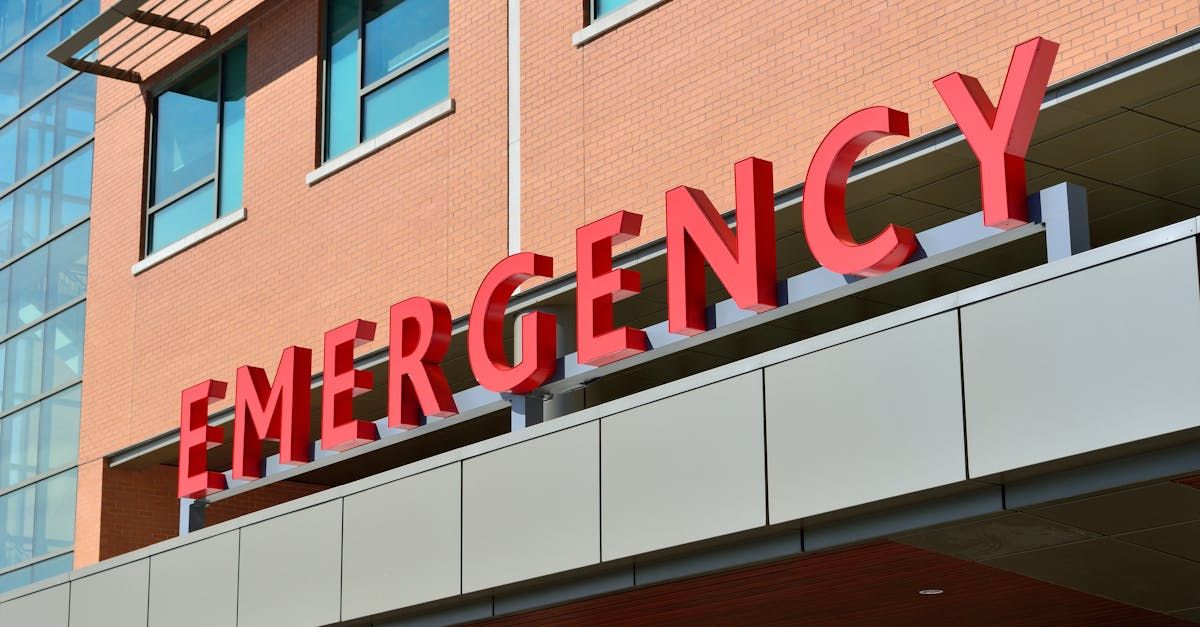
Not all maintenance issues require the same level of urgency—while some can wait a few days, others demand immediate attention due to potential safety risks, operational disruptions, or equipment failure. Certain problems, if ignored, can quickly escalate into serious hazards or cause significant property damage. Recognizing what qualifies as a true maintenance emergency is essential for tenants. It helps ensure personal safety, prevent costly repairs, and protect the home from further damage.
Below is a comprehensive guide to the most common emergency issues and how tenants should respond.
1. Water Leaks or Flooding
Water leaks and flooding are among the most critical maintenance emergencies. If ignored, they can quickly lead to structural damage, mold growth, electrical hazards, and costly repairs.
Immediate Steps
- Shut off the main water valve if you can safely locate it.
- If water reaches electrical outlets, turn off electricity at the breaker.
- Contain the water using towels, buckets, or barriers.
- Move valuables out of the affected area.
- Mop or vacuum small amounts of water; for larger flooding, professional extraction may be needed.
- Notify your landlord or Ashoka Lion immediately.
- After drying, check for mold, which can begin forming within 24–48 hours.
- Increase ventilation using fans or open windows.
- Document everything with photos for insurance claims.
2. Electrical Emergencies
Electrical problems can quickly escalate into fire hazards and life-threatening situations. These issues require immediate attention and, in some cases, evacuation.
Common Electrical Emergencies
- Electrical fires
- Power outages with sparks or burning smell
- Shocks from appliances
- Visible sparks from outlets
- Burning odors from wiring or fixtures
- Overloaded circuits repeatedly tripping
What To Do
- For electrical fires, evacuate immediately and call 911. Never use water on the fire.
- Use a Class C fire extinguisher only if it is safe to do so.
- For power outages, check your breaker first; then call your utility provider.
- If someone receives an electric shock, turn off power at the breaker and call emergency services.
- Unplug devices causing sparks and shut off the affected circuit.
- Never touch burning outlets or overheated wiring.
Always prioritize safety and avoid direct contact with electrical hazards.
3. Gas Leaks
A
gas leak is one of the most dangerous emergency maintenance issues because it can cause explosion, poisoning, or fire.
Signs of a Gas Leak
- Strong sulfur or "rotten egg" smell
- Hissing sound near gas lines
- Dead vegetation near outdoor gas lines
- Dizziness, nausea, or headaches indoors
What To Do Immediately
- Evacuate the property—do not use elevators.
- Avoid any device that can spark: lights, appliances, phones.
- If safe, turn off the main gas valve.
- Open doors and windows for ventilation only if it does not require touching electrical switches.
- From a safe distance, call 911 and your gas utility company.
- Do not re-enter until professionals give clearance.
4. Heating or Cooling System Failures
In extreme temperatures especially in climates like Houston—a malfunctioning HVAC system becomes a safety issue.
Heating System Emergencies
- No heat during freezing weather
- Smoke or burning smells
- Loud banging or grinding sounds
Cooling System Emergencies
- Complete loss of cooling during extreme heat
- Refrigerant leaks
- AC compressor failures
Troubleshooting Before Requesting Emergency Service
- Ensure the thermostat is set correctly.
- Check if breakers are tripped.
- Confirm the system has power or gas supply.
- Replace clogged air filters.
- Confirm vents are open and unobstructed.
- Clear debris around the outdoor condenser unit.
If these steps fail, contact an HVAC technician immediately.
5. Sewer Backup
A sewer backup poses severe health risks due to contamination and requires immediate professional cleanup.
Signs of Sewer Backup
- Foul odors from drains
- Toilets or tubs backing up
- Slow drainage throughout the home
- Wastewater pooling in low areas
Immediate Actions
- Avoid all contact with sewage.
- Keep children and pets away.
- Shut off power to affected areas if safe.
- Stop using sinks, toilets, and showers.
- Turn off main water supply if the backup worsens.
- Document damage for renter's insurance.
- Use gloves and masks if minimal cleanup is needed.
- Call a licensed plumber and your sewer authority if needed.
Contact the Ashoka Lion renter’s insurance program to start a claim.
6. Structural Damage
Structural issues threaten the safety and stability of the building. Causes include severe weather, accidents, foundation issues, or roof damage.
Indicators of Structural Damage
- Large cracks in walls or ceilings
- Sagging floors or ceilings
- Leaning walls or chimneys
- Doors and windows that suddenly won’t close
- Roof leaks after storms
Structural emergencies require immediate professional inspection and repair.
Ashoka Lion provides tools and support to help tenants prevent emergencies:
- Maintenance assessment before move-in and during renewals
- Access to the Maintenance Library with DIY troubleshooting
- Submit maintenance requests through the AppFolio portal
- Complete self-guided inspections twice a year:
- August–September
- February–March
- Submit required videos of the front yard, backyard, exterior, and interior every month.
Failure to submit inspections may result in a $75 property visit charge.
Consistent inspections help identify issues early and reduce emergency risks.
Understanding
maintenance emergencies helps tenants protect themselves and their homes. Routine checks and maintenance can help prevent many emergencies from occurring. Acting quickly minimizes property damage, ensures safety, and reduces repair costs. Ashoka Lion’s maintenance systems, self-inspection requirements, and educational tools empower tenants to stay proactive and prevent problems before they escalate. Always prioritize safety, respond promptly, and reach out to professionals when needed.