
Apartment Maintenance in Houston: What Landlords Handle vs. What Tenants Are Responsible For
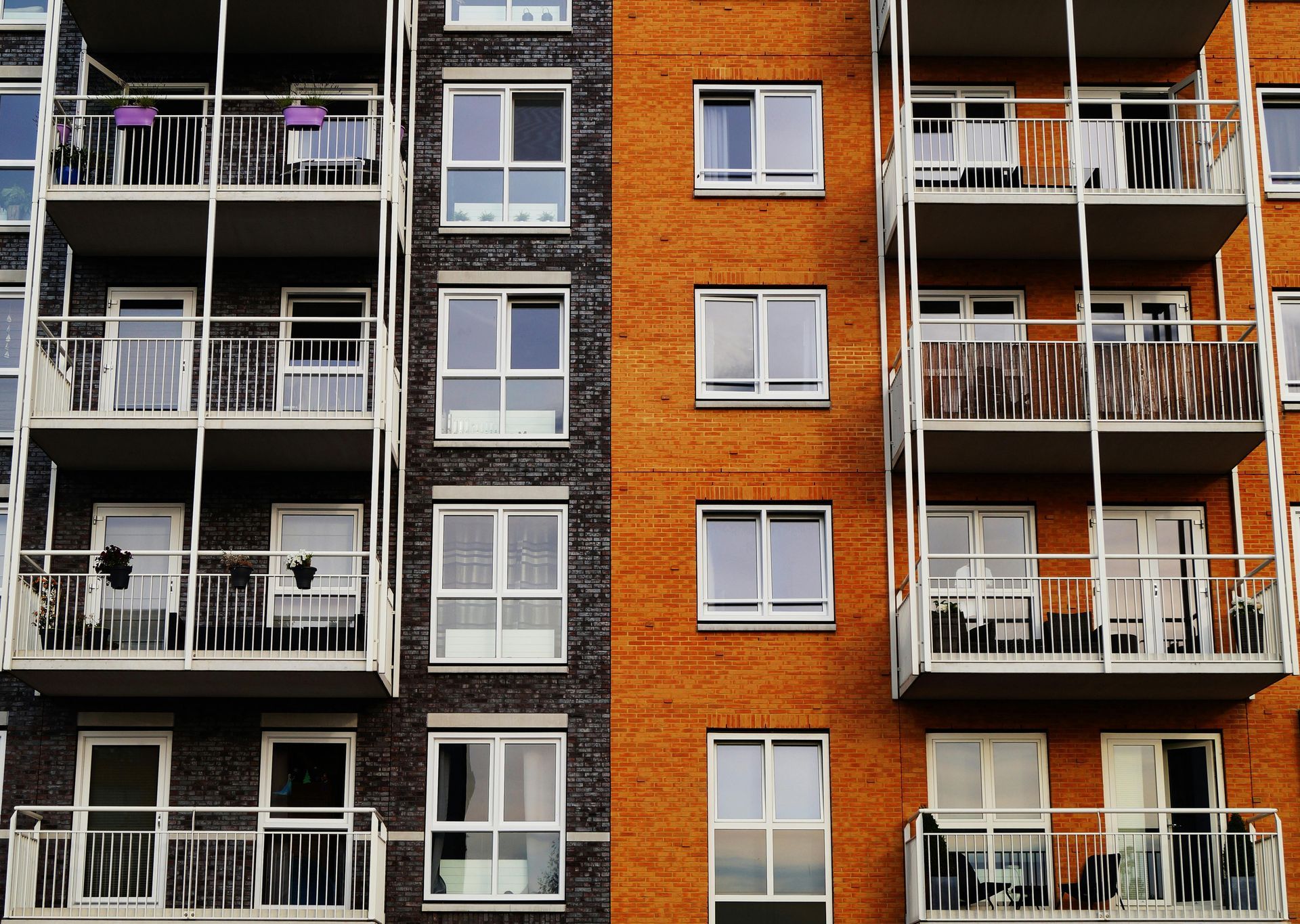
Renting an apartment in Houston comes with many conveniences, and one of the biggest advantages is that most maintenance and upkeep are handled by the property management team. From major repairs to landscaping, apartment living removes many of the responsibilities that come with owning a home. However, this doesn’t mean tenants are completely hands-off when it comes to maintenance.
Understanding who is responsible for what helps prevent confusion, avoids unnecessary fees, and ensures your apartment remains safe, comfortable, and well cared for throughout your lease. Knowing your role as a tenant can also help maintenance issues get resolved faster and more smoothly.
What Maintenance Does the Landlord or Property Management Handle?
In most Houston apartment communities, landlords or property management companies are responsible for maintaining the structure, systems, and shared areas of the property.
These responsibilities typically include:
Appliances and Major Fixtures
Property management is generally responsible for repairing or replacing essential appliances and fixtures provided with the unit. This includes stoves, refrigerators, dishwashers, plumbing systems, water heaters, HVAC systems, and built-in fixtures. If something stops working due to normal use, management should handle the repair.
Structural Repairs
Any issues related to the building itself fall under landlord responsibility. This includes roof leaks, damaged walls, broken windows, faulty doors, or problems with flooring that result from normal wear or building issues.
Pest Control
Most apartment communities provide routine pest control services to prevent infestations. If pests become an issue despite normal cleanliness, management typically coordinates treatment, especially when the problem affects multiple units.
Common Areas and Amenities
Property management maintains all shared spaces such as hallways, stairwells, elevators, parking lots, fitness centers, pools, clubhouses, and laundry rooms. Keeping these areas safe, clean, and functional is part of their responsibility.
Exterior Maintenance and Landscaping
Lawn care, exterior lighting, walkways, drainage systems, and general landscaping are handled by the property owner or management team. Tenants are not expected to maintain outdoor common spaces.
The general rule:
If the issue involves the
building structure,
essential systems, or
shared areas, it is almost always the responsibility of the landlord or property management.
Tenant Responsibilities in an Apartment
While landlords handle most major maintenance, tenants still play an important role in keeping their apartment in good condition. Common tenant responsibilities include:
Promptly Reporting Maintenance Issues
One of the most important tenant responsibilities is reporting problems as soon as they’re noticed. Leaks, malfunctioning appliances, electrical issues, or pest concerns should be submitted through the proper maintenance request system right away. Delaying a report can allow a small issue to turn into a bigger (and sometimes more expensive) problem.
Replacing Small Consumable Items
Tenants are often responsible for replacing minor items such as light bulbs, smoke detector batteries, and sometimes air filters, depending on the lease. Regularly changing these items helps keep your unit safe and functional.
Maintaining Cleanliness
Keeping your apartment clean is essential for preventing pests, odors, and damage. Regular cleaning of kitchens, bathrooms, and floors helps protect the unit and ensures a healthy living environment.
Avoiding Damage Beyond Normal Wear and Tear
Tenants are expected to take reasonable care of the apartment. Damage caused by negligence, misuse, or accidents—such as broken fixtures, stained carpets, damaged walls, or unauthorized alterations—may result in repair charges.
Following Community Policies
Maintenance extends beyond your unit. Proper trash disposal, recycling guidelines, noise policies, pet rules, and parking regulations all contribute to a clean and safe community. Violating these rules can lead to fines or lease violations.
Why Reading Your Lease Matters
Every apartment community may handle maintenance slightly differently, which is why your lease agreement is the final authority. Some leases specify tenant responsibilities for air filters, pest prevention, or minor upkeep, while others include these services as part of the rent.
Take time to:
- Review your lease carefully before moving in
- Understand how to submit maintenance requests
- Note any maintenance-related fees or responsibilities
If something is unclear, ask property management for clarification early on.
Best Practices for Tenants
To avoid misunderstandings and ensure quick repairs:
- Document issues with photos or videos when submitting maintenance requests
- Report problems immediately, even if they seem minor
- Perform simple upkeep, like replacing bulbs or batteries
- Keep records of maintenance requests and communications
Being proactive not only protects your living space but also helps maintain a positive relationship with management.
Apartment living in Houston offers peace of mind by removing the burden of major maintenance and repairs. Still, tenants play a key role in keeping their homes comfortable and problem-free. By understanding your responsibilities, reporting issues promptly, and following community guidelines, you can avoid unnecessary fees, ensure faster repairs, and enjoy a smooth rental experience.
👉
Read the Complete Guide to Apartment Maintenance
HERE to learn more about protecting your home and your lease.