
Proper Trash Storage in Houston: Why It Matters and How to Do It Right
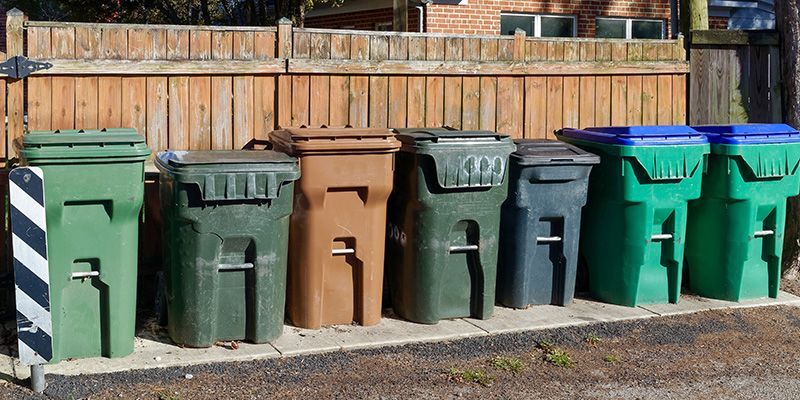
Managing household waste properly isn’t just about keeping your property clean—it plays a vital role in community safety, neighborhood appearance, and complying with city and HOA regulations. In a high-density city like Houston, where homes are often close together and weather conditions vary, following proper trash storage practices is essential for maintaining a safe, clean, and pleasant living environment.
Whether you're a longtime homeowner or new to the community, understanding how to store trash and recycling bins correctly can help you avoid citations, protect your property, and contribute to a healthier neighborhood.
Why Proper Trash Storage Matters
Improper trash storage can create a chain reaction of issues that affect not only your household but also your neighbors and the broader community. Here’s why taking waste storage seriously matters:
1. Prevents Odors and Improves Neighborhood Appearance
Trash left in visible areas like front yards or sidewalks can create an unpleasant and cluttered look. Overflowing bins or unsecured bags can emit foul odors, especially during Houston’s warm and humid months. Proper storage keeps the neighborhood looking clean, well-maintained, and desirable for all residents.
2. Reduces Fire and Safety Risks
City officials and maintenance teams have reported instances where loose trash or lightweight debris gets blown toward AC units during storms or strong winds.
This creates two serious hazards:
- Mechanical Damage – trash can clog coils, block airflow, or interfere with fans.
- Fire Risk – debris caught in electrical components or lodged against overheated parts can spark a fire.
Keeping trash bins secured and away from utility areas—especially HVAC condensers—is a simple but important safety step.
3. Prevents Animal Disturbance
Improperly closed or unsecured bins can attract stray animals such as raccoons, dogs, squirrels, or even rodents looking for food. When animals rummage through garbage:
- Trash gets scattered across yards, sidewalks, and driveways.
- Neighbors are inconvenienced by litter and odors.
- Sanitation becomes a public health concern.
Many communities have reported increased animal activity at night, especially around easily accessible bins. Securing your trash helps protect both your property and your neighbors’.
4. Helps You Avoid Citations
HOAs and Houston’s city ordinances require trash bins to be stored properly and out of public view. Violations may result in warning notices or fines. Following proper storage rules keeps you compliant and prevents unnecessary penalties.
Storage Do’s and Don’ts
Following these simple guidelines can significantly improve safety, sanitation, and curb appeal.
✅ DO:
- Store bins out of public view—behind fences, in garages, or in side yards.
- Keep lids closed to prevent odors, litter, or animal access.
- Rinse bins periodically to reduce insects and unpleasant smells.
- Secure bins during storms to prevent them from tipping or blowing away.
- Use approved city or HOA bins that meet size and durability requirements.
- Tie trash bags tightly before placing them inside the bin.
🚫 DON’T:
- Leave bins curbside after collection day.
- Store bins in front yards, driveways, or sidewalks where they are easily visible.
- Overfill bins so that the lid cannot close properly.
- Place trash outside the bin or stack bags around overflowing bins.
- Dispose of hazardous or construction waste in household trash cans.
- Store bins near AC units or electrical equipment.
- Leave bins unsecured during severe weather.
Updated Trash Bin Guidelines
To help maintain consistent standards across the community, these updated storage rules are now in effect:
Placement & Storage
- Bins must be stored out of public view (in a garage, behind a fence, or along the side yard) on non-collection days.
- Curb placement is only allowed within approved timeframes:
- After 6:00 PM the evening before collection day
- No later than 7:00 AM on the morning of collection day
- After pickup, bins must be promptly removed from the curb and returned to their designated storage location.
Trash Pickup Schedule
- Pickup days vary by neighborhood.
- Please refer to your HOA landing page or community portal for your assigned schedule.
Prohibited Items
Do not place the following in trash or recycling bins:
- Paint, chemicals, or hazardous waste
- Construction debris, concrete, or lumber
- Large broken furniture
- Hot ashes or burning materials
- Car parts, tires, or motor oil
These items require special disposal through city-approved facilities.
Special Note: Avoid Storing Bins Near AC Units
Many homeowners unknowingly store trash and recycling bins near their exterior AC condenser units simply because the area seems convenient or hidden. However, this can cause:
- Increased fire risk
- Blocked airflow
- Overheating
- Unit damage from debris
- Animal activity near utilities
We strongly recommend relocating bins to a safer area away from HVAC systems, electrical panels, and gas lines.
Tips to Keep Your Trash Area Clean and Odor-Free
A tidy trash area not only prevents pests but also makes waste management easier.
- Place a disinfectant pod or baking soda at the bottom of your bin to absorb odors.
- Rinse bins once a month with vinegar or mild soap.
- Keep the area around bins clear of leaves, spilled trash, and standing water.
- Use heavy-duty bags to prevent leaks in hot weather.
- Double-bag raw food waste, especially during summer.
The Community Impact of Good Trash Practices
Proper trash storage benefits more than just your household. It:
- Preserves property values by maintaining strong curb appeal.
- Reduces pests, odors, and litter for the entire neighborhood.
- Helps keep shared spaces safe from fire and mechanical hazards.
- Reflects pride in the community, promoting a positive living environment.
- Prevents disputes between neighbors over trash-related issues.
Even small steps—such as closing the lid fully or storing bins behind a fence—make a big difference.
Good waste management is a shared responsibility. By following these guidelines, homeowners help maintain a clean, safe, and welcoming community for everyone. Proper trash storage protects our homes, reduces hazards, supports city regulations, and demonstrates pride in where we live.
A little extra care goes a long way in keeping Houston a beautiful and comfortable place to call home.