
The Importance of Homeowners Insurance During a Severe Winter Freeze
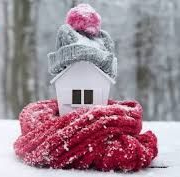
Winter weather can be unpredictable, especially in regions that are not accustomed to prolonged freezing temperatures. While a severe winter freeze may only last a few days, the damage it can cause to homes can be extensive and costly. From burst pipes and roof damage to power outages and frozen appliances, cold weather events place homeowners at significant financial risk. This is where homeowners insurance plays a critical role in protecting both your property and your peace of mind.
Understanding Winter Freeze Risks
A severe winter freeze can impact a home in multiple ways:
- One of the most common issues during freezing temperatures is burst or frozen pipes. When water inside pipes freezes, it expands, often causing pipes to crack or burst. Once temperatures rise, water damage can spread quickly through walls, floors, and ceilings, leading to costly repairs and potential mold growth.
- Roofs are also vulnerable during winter freezes. Ice buildup, heavy winds, and sudden temperature changes can loosen shingles, cause leaks, or damage gutters.
- In homes with fireplaces or heating systems, improper use or malfunction can increase the risk of fire hazards during colder months.
- Power outages caused by winter storms can result in spoiled food, frozen plumbing, or damage to electrical systems.
Without adequate insurance coverage, homeowners may be left to pay out-of-pocket for repairs, replacements, and temporary housing—expenses that can add up quickly.
How Homeowners Insurance Provides Protection
Homeowners insurance is designed to cover a wide range of risks associated with winter weather, provided the damage is sudden and accidental.
Most standard policies offer coverage for:
- Water damage from burst pipes, as long as reasonable steps were taken to maintain heat in the home.
- Roof and structural damage caused by ice, snow, or wind.
- Fire damage related to heating equipment or electrical failures.
- Loss of use coverage, which helps pay for temporary housing if your home becomes uninhabitable due to covered damage.
This protection can make a significant difference during a winter emergency, allowing homeowners to focus on safety and recovery rather than financial strain.
The Importance of Policy Awareness
Having homeowners insurance is important, but understanding what your policy covers is just as critical.
Not all winter-related damages are automatically included. For example:
- Damage resulting from long-term neglect or lack of routine maintenance may be excluded.
- Losses caused by failure to maintain adequate heat in the home may not be covered.
- Pre-existing issues or unresolved repairs can void coverage for winter damage.
- Some policies require preventive actions, such as:
- Keeping the home properly heated during cold weather
- Draining pipes if the property will be vacant for an extended period
Taking these preventive steps helps protect both your home and your insurance coverage.
Reviewing your policy before winter arrives helps ensure there are no surprises if you need to file a claim. It is also a good time to confirm coverage limits, deductibles, and whether additional endorsements—such as coverage for sewer backups or extended replacement costs are necessary.
Financial Security During Unexpected Events
One of the greatest benefits of homeowners insurance during a winter freeze is financial stability. Repairing water damage, replacing flooring, fixing walls, or restoring electrical systems can cost thousands of dollars. Insurance coverage helps absorb these expenses, preventing a sudden financial burden that could disrupt long-term savings or household budgets.
In severe cases where homes are temporarily unlivable, insurance can also help cover hotel stays, meals, and other living expenses. This support is especially valuable during widespread winter events when repair services may be delayed due to high demand.
Encouraging Proactive Preparedness
Insurance works best when combined with preparation. Homeowners should take reasonable steps to reduce winter risks, such as insulating pipes, sealing drafts, maintaining heating systems, and checking smoke detectors. Keeping documentation of home improvements and taking photos of the property can also help speed up the claims process if damage occurs.
Maintaining open communication with your insurance provider is equally important. Knowing how to file a claim, what documentation is required, and who to contact in an emergency can save valuable time during stressful situations.
Peace of Mind When It Matters Most
Severe winter freezes are often unpredictable, but the impact they have on homes can be long-lasting. Homeowners insurance provides a safety net that protects not only the structure of your home but also your financial well-being. When freezing temperatures strike, having the right coverage ensures you are not facing repairs, displacement, or losses alone.
By reviewing your policy, staying prepared, and understanding your coverage, homeowners can face winter weather with greater confidence. In the event of a freeze, homeowners insurance is not just a requirement—it is an essential layer of protection that helps safeguard your home, your belongings, and your peace of mind.
Find Helpful Tips for Choosing the Right Homeowners Insurance HERE.