Plumbing Maintenance for Tenants: A Complete Guide
Plumbing maintenance by Tenants
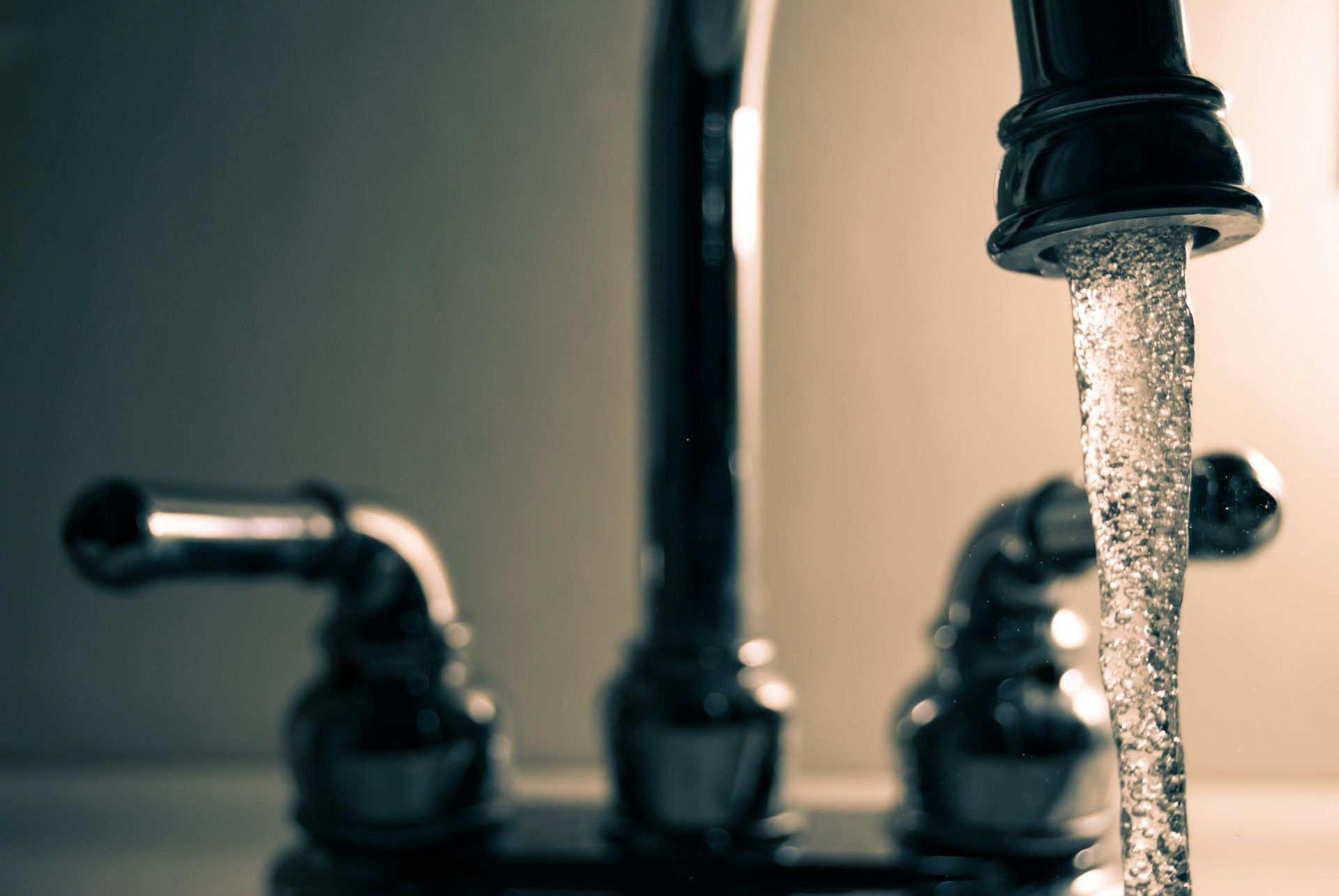
Plumbing maintenance refers to the regular inspection, cleaning, and upkeep of the plumbing system to ensure it functions smoothly, efficiently, and safely. A well-maintained plumbing system supports everyday activities—bathing, cooking, cleaning, and waste removal while preventing unexpected emergencies that can affect both comfort and property condition. At Ashoka Lion, tenants play an important role in maintaining the plumbing system of their rental home. While landlords handle major repair needs, tenants are responsible for practicing routine maintenance and addressing minor issues promptly. Understanding what falls under tenant responsibility helps avoid unnecessary damage, costly repairs, and disruptions.
For minor plumbing concerns such as slow drains, small clogs, or loose fixtures—tenants are expected to perform basic maintenance on their own. These issues are typically part of everyday household upkeep. However, for major concerns like a pipe leak, multiple drains backing up at the same time, or suspected sewer line issues, tenants should immediately submit a maintenance request through the tenant portal. Knowing when and how to act can prevent damage to personal belongings and protect the rental property.
Why Plumbing Maintenance Matters
Plumbing problems can escalate quickly if ignored. A small leak today could become a burst pipe tomorrow, leading to expensive repairs, water damage, or mold growth. Understanding the importance of plumbing maintenance helps tenants remain proactive and responsible.
1. Preventing Costly Repairs
Regular maintenance allows tenants to identify small problems—like a dripping faucet or minor leak—before they worsen. Fixing small issues is much cheaper and easier than waiting until the problem causes structural damage or requires professional intervention. Simple tasks like clearing drains, tightening fixtures, or reporting leaks early can save significant time and money.
2. Conserving Water and Reducing Utility Bills
A leaking faucet, running toilet, or malfunctioning fixture may seem minor, but over time it wastes gallons of water and increases utility bills. Maintaining plumbing fixtures ensures water is used efficiently. This not only benefits tenants financially but also supports environmental conservation.
3. Protecting Health and Hygiene
Faulty plumbing can compromise clean water supply and wastewater removal. Poorly maintained drains may harbor bacteria or pests, and untreated leaks can contribute to mold growth—posing health concerns for the household. Keeping plumbing systems clean and functional ensures a safe living environment.
4. Preserving Property Integrity
Water damage can weaken walls, floors, cabinets, and even the home’s foundation. Mold and mildew can also grow in damp areas, creating long-term structural issues. Prompt repairs and routine care help maintain the property in good condition, benefiting both tenant and landlord.
Tenant Responsibilities in Plumbing Maintenance
While landlords may handle significant repairs, tenants have an ongoing responsibility to care for the day-to-day maintenance of the plumbing system. Following these guidelines helps prevent emergencies and keeps everything functioning properly.
1. Report Major Issues Immediately
Tenants should promptly notify the landlord or property management team if they notice severe issues such as:
- Pipe leaks
- Drainage backups occurring in multiple areas at once
- Broken or malfunctioning plumbing fixtures
- Water stains or signs of hidden leaks
- Sudden, unexplained changes in water pressure
When reporting, providing photos, videos, or a detailed description helps speed up diagnosis and repair.
2. Handle Minor Plumbing Maintenance
Tenants are responsible for taking care of small maintenance tasks like:
- Unclogging individual drains (bathroom sink, shower drain, kitchen sink)
- Using a plunger or drain snake when necessary
- Replacing faucet washers to stop minor drips
- Tightening loose fixtures such as showerheads or handles
- Cleaning aerators on faucets to improve water flow
These routine actions prevent small annoyances from becoming larger problems.
3. Use Drain Screens and Prevent Debris Buildup
Using drain screens in bathroom and kitchen sinks helps keep hair, food particles, and debris out of the pipes. This simple step reduces the likelihood of clogged drains, foul odors, or slow drainage.
4. Avoid Flushing Inappropriate Items
Many plumbing issues arise from improper disposal habits. Tenants should avoid flushing:
- Paper towels
- Cotton swabs
- Feminine hygiene products
- Baby wipes or “flushable” wipes
- Grease, oils, and food scraps
These items can accumulate in pipes, causing serious blockages. For guidance, tenants can refer to Ashoka Lion’s DIY Library, which includes helpful videos on what should and shouldn't go into drains. These resources empower tenants to handle simple fixes safely and effectively.
5. Monitor Water Usage for Signs of Leaks
Tenants should review their monthly water bill for unusual spikes. A higher-than-normal bill often indicates:
- A hidden leak
- A running toilet
- Dripping faucets
- Constant water flow in unseen areas
If a leak is suspected, tenants should begin troubleshooting immediately.
6. Know How to Shut Off Water in an Emergency
Understanding how to control water flow can prevent severe property damage. Tenants should locate:
- The main water shut-off valve
- Shut-off valves under sinks and behind toilets
If a pipe leak occurs, turning off the water supply is the very first step. This stops the flow of water and helps protect personal belongings and property surfaces until a repair professional arrives. Water should remain OFF until repairs are completed.
7. Check for Water Damage and Corrosion
Regularly inspect areas under sinks, around toilets, behind appliances, and along baseboards. Look for:
- Soft or warped wood
- Musty odors
- Rusty pipes or fittings
- Damp areas or puddles
- Discolored walls or flooring
Early detection is key to preventing widespread damage.
8. Familiarize Yourself with the Plumbing Layout
Knowing where key plumbing components are located helps tenants identify issues more efficiently. Understanding which appliances share pipes, where clean-out valves are, and how the drainage flows through the home provides clarity during emergencies.
By performing regular maintenance and staying alert to early signs of plumbing issues, tenants can help ensure their plumbing systems function smoothly. This proactive approach prevents larger problems, supports a healthy living environment, and protects the property from unnecessary damage. Managing minor tasks on your own builds confidence and reduces dependency on emergency repairs while major issues can always be addressed through the maintenance portal.