
Raising Healthy Kids: Building Lifelong Habits with Love, Routine, and Support
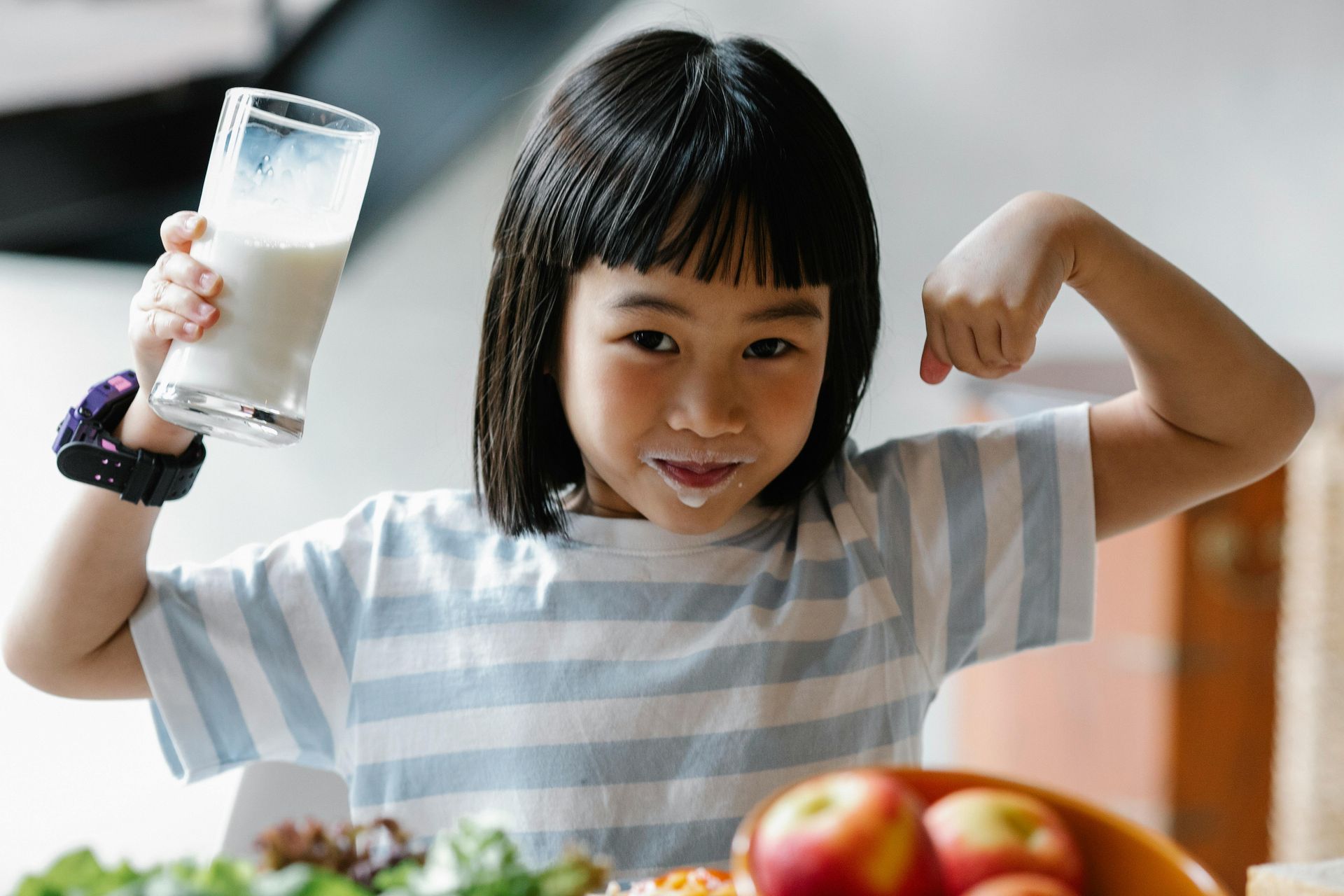
One of the greatest gifts a parent can give their child is a framework for living a healthy, balanced, and resilient life. Children learn not only from what we say but far more importantly from what we do. Their daily routines, long-term habits, emotional strengths, and lifestyle preferences are shaped most powerfully in the early years. This is why parenting is such a profound responsibility: the attitudes and habits formed in childhood can strongly influence your child’s physical, emotional, and mental well-being well into adulthood.
Healthy routines don’t have to be complicated. They simply require love, consistency, and a willingness to be intentional with everyday choices.
Here are expanded tips and insights for parents striving to raise healthy, confident children who grow into thriving, capable adults.
1. Stick to a Steady, Predictable Routine
Children thrive on predictability. A steady routine helps them develop time-management skills, security, and emotional stability. Try to set consistent times for:
- meals
- schoolwork
- screen time
- active play
- bedtime
This rhythm helps kids understand expectations and reduces stress. Children with consistent routines often sleep better, perform better academically, and manage emotions more effectively. Routines don’t need to be rigid—flexibility is healthy—but having a general structure gives kids a reliable foundation. Even simple habits like reading together before bed or having daily family meals create moments of connection and comfort.
2. Get Active—Make Movement a Natural Part of Life
With the rise of mobile devices, streaming platforms, and online schooling, children are more sedentary than ever. But kids need movement for strong bones, healthy hearts, better focus, improved mood, and healthy weight management.
You can encourage daily movement by:
- visiting local parks or playgrounds
- taking evening family walks
- having weekend nature hikes
- playing outdoor games together
- signing up for community sports or dance programs
Physical activity doesn’t need to be structured or time-consuming. Even 20–30 minutes of running around, riding a bike, tossing a ball, or dancing in the living room counts. What matters is consistency. When physical activity becomes a normal part of family life, children are much more likely to carry the habit into adulthood.
3. Choose Healthier Foods—Fuel Their Growth Wisely
Nutritional habits formed early shape future attitudes toward food. Busy schedules make convenience foods tempting, but small changes go a long way. A few strategies:
- Stock the home with healthy snacks like fruits, nuts, yogurt, or whole-grain options.
- Meal-prep on weekends to reduce weekday stress and prevent last-minute unhealthy choices.
- Introduce new foods gradually, pairing them with familiar favorites to improve acceptance.
- Let kids participate in grocery shopping or meal prep so they feel engaged and curious.
Children are more likely to eat healthy foods when they feel included in the decision-making process. Teaching them to read labels, try new flavors, and understand balanced meals gives them skills they will use for life. And remember—modeling good choices is the most powerful teaching tool.
4. Cut Down Screen Time and Encourage Real-World Engagement
Screens are unavoidable in today’s world, but boundaries help kids develop creativity, focus, and strong social skills. Try implementing rules such as:
- no screens during meals
- tech-free evenings or family hours
- screens off at least one hour before bedtime
- educational screen time over passive entertainment
Encourage offline activities like reading, puzzles, drawing, board games, or helping with simple household tasks. These activities build problem-solving skills, imagination, and independence. Limiting screen time also leads to better sleep and lower stress levels—two essentials for growing bodies and minds.
5. Teach Life Skills Early—Start Small, Build Confidence
Life skills are the building blocks of independence. Children feel more capable and self-confident when they’re given age-appropriate responsibilities.
Simple chores can include:
- tidying their room
- feeding a pet
- putting clothes away
- helping set or clear the table
- watering plants
- assisting with simple meal prep
Even if your home is small or your routines are busy, giving children meaningful responsibilities helps them develop discipline, confidence, and organizational habits that will serve them for years.
6. Promote Emotional Wellness and Open Communication
Healthy habits aren’t just physical—they are deeply emotional. Kids may be resilient, but they also absorb stress, fear, frustration, and disappointment.
Support emotional wellness by:
- talking openly about feelings
- validating their experiences
- practicing gratitude as a family
- teaching empathy and kindness
- being patient with mistakes
- modeling calm responses during stressful moments
Create a home where emotions can be expressed safely without shame or punishment. Children who feel supported emotionally are more likely to develop strong self-esteem, healthy coping skills, and resilient mindsets.
Love, attention, and emotional security are as essential as nutrition and exercise.
The Need for Healthy Habits Is Urgent
According to the Houston Department of Health and Human Services, 34% of children in Houston aged 12 and over are currently overweight or obese. Childhood obesity increases the risk of diabetes, heart disease, and chronic health problems later in life. Good habits established early help prevent future struggles and save your child from the challenges of breaking unhealthy patterns in adulthood.
Parents play the most influential role. Children are watching—absorbing your behaviors, your relationship with food, your stress response, and your lifestyle choices. Positive change begins with leadership, not lectures.
Lead by Example—Healthy Families Grow Together
No lesson sticks unless it’s modeled. Eating nutritious meals, staying active, showing kindness, setting boundaries with technology, and practicing emotional balance are all habits your child learns by watching you.
Start small. You don’t need dramatic lifestyle overhauls. Every small positive choice—one healthy meal, one family walk, one hour of tech-free time—cements a lifelong habit.
With consistency, love, and patience, you can give your children the tools they need to grow into strong, healthy, confident adults.