
Four Important Texas Lease Agreement Changes for 2026!
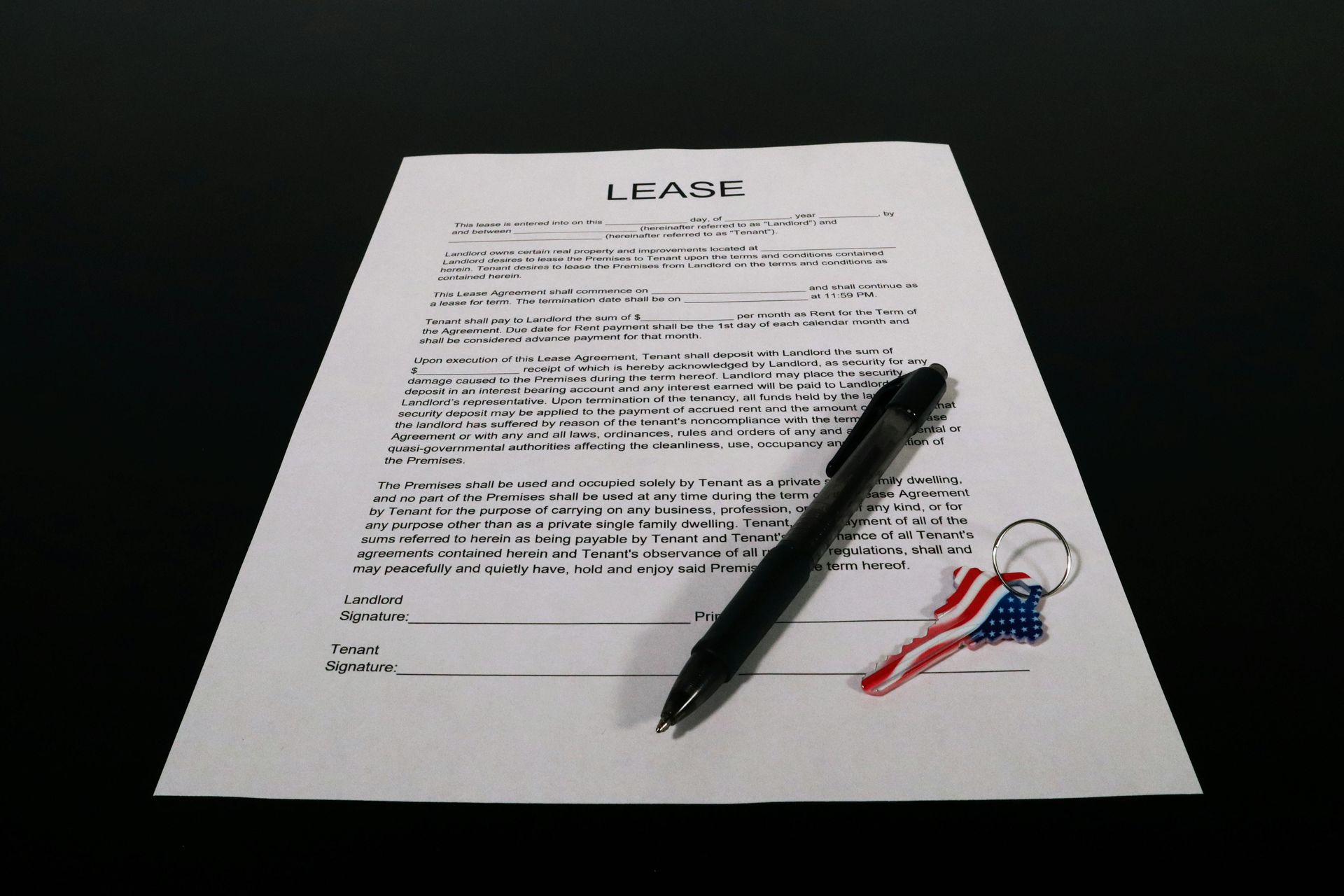
Houston property owners and landlords should stay informed about the latest Texas lease agreement changes 2026 to protect their investments, remain compliant, and avoid unnecessary legal or financial risks. Rental laws and court procedures can change from year to year, and even small updates may significantly affect lease enforcement, tenant communication, maintenance responsibilities, and eviction timelines.
For owners in Houston’s active rental market, understanding these new Texas rental law updates is especially important. With strong rental demand, growing competition, and increasing tenant expectations, staying ahead of legal changes can help reduce disputes, improve tenant retention, and protect long-term income.
Below are four important updates every Houston landlord should know in 2026.
1. Clearer Fee Disclosures in Lease Agreements (HB 4305)- House Bill 4305
One of the most important Texas lease agreement changes 2026 focuses on fee transparency. House Bill 4305 places added emphasis on making sure lease agreements clearly disclose charges a tenant may owe during the tenancy.
This means Houston landlords should carefully review lease agreements and ensure the following are clearly listed:
- Monthly recurring charges
- Late payment fees
- Administrative fees
- Pet fees or pet rent
- Utility billing arrangements
- Lease violation fees
- Move-out charges or cleaning costs
- Any optional service charges
Why This Matters for Houston Property Owners
Tenants are more likely to sign and renew leases when terms are easy to understand. Clear fee disclosures help reduce misunderstandings and complaints, while also improving compliance with current Texas lease agreement rules.
For Houston owners managing multiple properties, consistent lease language across all units can also simplify administration and reduce risk.
2. Greater Focus on Repairs and Habitability (SB 1802)- Senate Bill 1802
Another major Texas rental law update involves tenant mobility rights and the importance of repairs under Texas Property Code provisions. While exact applications depend on each case, the broader takeaway for owners is clear: repair response times and property livability matter more than ever.
Houston landlords should have reliable systems in place to handle maintenance requests quickly and professionally.
Priority areas include:
- Air conditioning and HVAC systems
- Plumbing leaks or drainage issues
- Electrical hazards
- Roof leaks or water intrusion
- Appliance failures (if landlord-provided)
- Pest issues affecting habitability
- Safety concerns such as locks or smoke detectors
Why This Matters in Houston
Houston’s climate makes HVAC reliability especially critical. During summer months, delayed air conditioning repairs can quickly create tenant frustration and potential legal issues.
Owners who respond promptly often benefit from:
- Better tenant satisfaction
- Higher lease renewal rates
- Fewer complaints
- Reduced property damage from delayed repairs
- Stronger protection if disputes arise
Strong maintenance practices are one of the best ways to comply with Texas landlord laws 2026 while protecting asset value.
3. Updated Eviction Procedures (SB 38)- Senate Bill 38
Another important area of change involves Texas eviction law changes. Senate Bill 38 updates procedures involving filings, notices, timing requirements, and possession processes.
For Houston property owners, this means eviction procedures should never be handled using outdated forms or assumptions. Even small errors can lead to delays, dismissed cases, or additional costs.
Common Mistakes Owners Should Avoid
- Using incorrect notice periods
- Incomplete documentation
- Improper service of notices
- Filing too early or too late
- Missing hearing deadlines
- Failing to follow possession procedures after judgment
Why This Matters
Evictions are already time-sensitive and costly. Delays can increase vacancy loss, legal expenses, and stress for owners. Following current Texas rental property laws can help landlords move through the process more efficiently when necessary.
Because Harris County and surrounding Houston-area courts can be busy, accurate preparation is especially important.
4. Possible Justice Court Rule Changes
Texas justice-court eviction practice may also change if revisions to Rule 510 are finalized.
Potential updates could affect:
- Required court forms
- Service requirements
- Hearing procedures
- Filing processes
- Scheduling timelines
Since many residential eviction cases are handled in justice courts, these changes could directly impact Houston landlords.
Why Owners Should Pay Attention
Owners who self-manage properties often miss procedural updates until a problem occurs. Staying informed in advance helps avoid unnecessary delays and mistakes.
Professional property managers and legal advisors typically monitor these updates regularly, which can be a major advantage for busy investors.
What Houston Property Owners Should Do in 2026
To stay compliant and protect rental income, Houston owners should take the following steps now:
- Review Lease Agreements- Update leases to reflect clearer fee disclosures and current legal language.
- Improve Maintenance Systems- Use written maintenance request tracking, preferred vendors, and faster response times.
- Keep Better Records- Document notices, communications, repairs, inspections, and payment history.
- Understand Eviction Rules- Use current procedures and seek professional guidance when needed.
- Stay Updated on Law Changes- Texas rental laws continue to evolve. Annual reviews are a smart practice.
- Consider Professional Management- Many owners choose professional management to reduce risk, improve efficiency, and stay compliant with changing laws.
These Texas lease agreement changes 2026 highlight the importance of clear leases, responsive maintenance, and legally compliant operations. For Houston property owners, staying proactive can reduce disputes, strengthen tenant relationships, and protect long-term profitability.
Houston remains one of the strongest rental markets in Texas, but success requires more than simply owning property. Owners who understand new Texas landlord laws 2026 and adapt quickly will be better positioned to maximize returns and minimize costly mistakes.
In 2026, the smartest strategy is simple: keep leases updated, maintain properties well, and stay informed.
To learn more about our services at Houston, visit our page: