
Staying Safe in the Heat: Essential Tips for a Healthy and Comfortable Summer
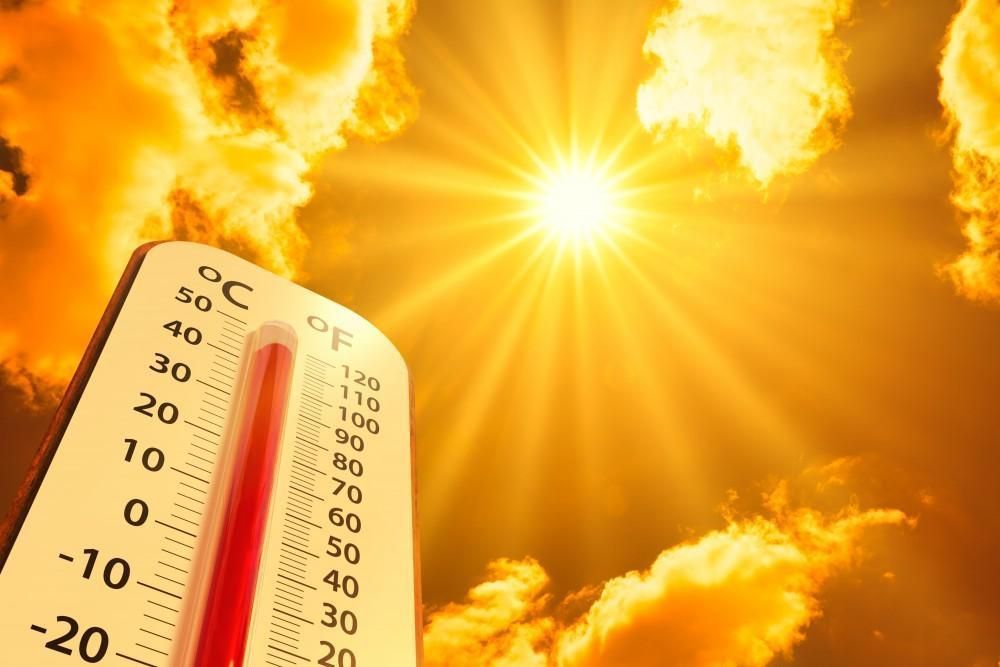
As temperatures climb in Houston, staying safe outdoors becomes increasingly important. Houston’s summer heat can be intense, with high humidity and strong sun exposure contributing to dehydration and heat-related illnesses. While summer is a wonderful time to enjoy outdoor activities, it’s also a season that requires extra care and awareness. A few small adjustments to your routine can greatly improve your comfort, protect your health, and help you enjoy the season safely.
Whether you're walking your dog, commuting to work, spending time at a park, or simply relaxing outside, here are some practical and effective ways to protect yourself from heat-related issues.
Stay Hydrated
Proper hydration is one of the most important ways to prevent heat-related problems. The body loses fluids quickly through sweat in hot weather, so staying ahead of dehydration is essential.
Drink Water Regularly:
Don’t wait until you feel thirsty to drink water. Thirst is a late sign of dehydration. Carry a reusable water bottle with you throughout the day and drink small amounts consistently, especially when you’re outdoors or physically active.
Hydrate Before Physical Activity:
Drink a glass of water 20–30 minutes before heading outside for exercise, yard work, or errands. This prepares your body for the additional fluid loss.
Replenish Electrolytes:
When you’re sweating heavily—especially during outdoor work or exercise—you lose essential electrolytes like sodium, magnesium, and potassium. Replace them through low-sugar sports drinks, electrolyte powders, or natural options like coconut water.
Eat Hydrating Foods:
Fruits and vegetables with high water content can support your hydration efforts. Include foods such as watermelon, oranges, cucumbers, celery, tomatoes, and berries in your meals and snacks.
Limit Alcohol and Caffeine:
Both alcohol and caffeinated drinks can increase dehydration. If you consume them, pair them with additional water to balance their effects.
Use Hydration Reminders:
Busy schedules can cause you to forget to drink water. Hydration apps or simple phone alarms can provide helpful reminders throughout the day. You can explore a few free water-tracking apps
HERE.
Watch for Early Signs of Dehydration
Recognizing dehydration early can prevent more serious heat-related conditions. Keep an eye out for:
- Thirst or persistent dry mouth
- Dark yellow or amber-colored urine
- Headache or lightheadedness
- Fatigue or unusual tiredness
- Reduced urine output
- Muscle cramps, especially in the legs
If you experience any of these symptoms, drink water immediately, move to a cool area, and rest until you feel better.
Plan Outdoor Activities Wisely
The hottest part of the day is typically between 11 a.m. and 4 p.m., when the sun is strongest. Whenever possible, schedule strenuous activities—such as mowing the lawn, exercising, walking pets, or running errands—early in the morning or later in the evening.
If you must be outdoors during peak heat hours, take frequent breaks in shaded or air-conditioned spaces. Even short rest periods can help your body cool down and avoid overheating.
Dress Appropriately for the Heat
What you wear can make a significant difference in how your body handles heat.
- Choose light-colored clothing, which reflects rather than absorbs heat.
- Wear loose-fitting garments made of breathable fabrics like cotton, linen, or moisture-wicking materials.
- A wide-brimmed hat can shield your face, neck, and ears from direct sunlight.
- Sunglasses with UV protection help protect your eyes from harmful rays.
Dressing smartly can help you stay comfortable and reduce your risk of overheating.
Use Sunscreen Daily
The sun’s UV rays can cause skin damage even on cloudy days. To protect your skin:
- Apply a broad-spectrum sunscreen with SPF 30 or higher.
- Cover all exposed skin, including your ears, neck, arms, and tops of your feet.
- Reapply every two hours—or more often if you're sweating or swimming.
- Don’t forget lip balm with SPF protection as well.
Regular sunscreen use helps prevent sunburn, premature aging, and long-term skin damage.
Know the Signs of Heat Exhaustion and Heatstroke
Heat exhaustion and heatstroke are serious medical conditions that can escalate quickly in extreme temperatures.
Symptoms of Heat Exhaustion Include:
- Heavy sweating
- Dizziness or fainting
- Weakness
- Nausea
- Headache
- Cool, clammy skin
If you notice these symptoms, move to a cooler area immediately, drink water, and rest until you recover.
Symptoms of Heatstroke (Medical Emergency):
- Body temperature of 103°F or higher
- No sweating despite the heat
- Confusion, disorientation, or slurred speech
- Rapid pulse
- Seizures
- Loss of consciousness
If someone shows symptoms of heatstroke, call for emergency medical help right away. This condition can be life-threatening and requires immediate treatment.
Be Prepared for Heat-Related Emergencies
Houston’s hot weather can sometimes lead to unexpected challenges, such as power outages or temporary water shortages. Being prepared in advance helps ensure you stay safe.
Consider keeping an emergency kit with:
- Flashlights and batteries
- Bottled water
- Cooling towels or ice packs
- Battery-powered fans
- A list of emergency contacts
- Backup chargers or power banks
If you rely on medical equipment that needs electricity, have a backup plan in place for extreme heat or outages.
Staying safe in the Houston heat doesn’t require major effort—just awareness, preparation, and consistency. By staying hydrated, dressing appropriately, monitoring your health, and planning ahead, you can significantly reduce your risk of heat-related issues.
Make the most of your summer by staying cool, refreshed, and informed. Whether you're spending time with family, enjoying outdoor recreation, or simply relaxing at home, protecting your health should always come first.
For more detailed information, be sure to check the Red Cross Extreme Heat Safety Checklist HERE.
Stay cool. Stay safe. And enjoy a vibrant, healthy Houston summer!