
The Hidden Risks of Accepting Cash Rent Payments: Common Mistakes Landlords Make and How to Prevent Them
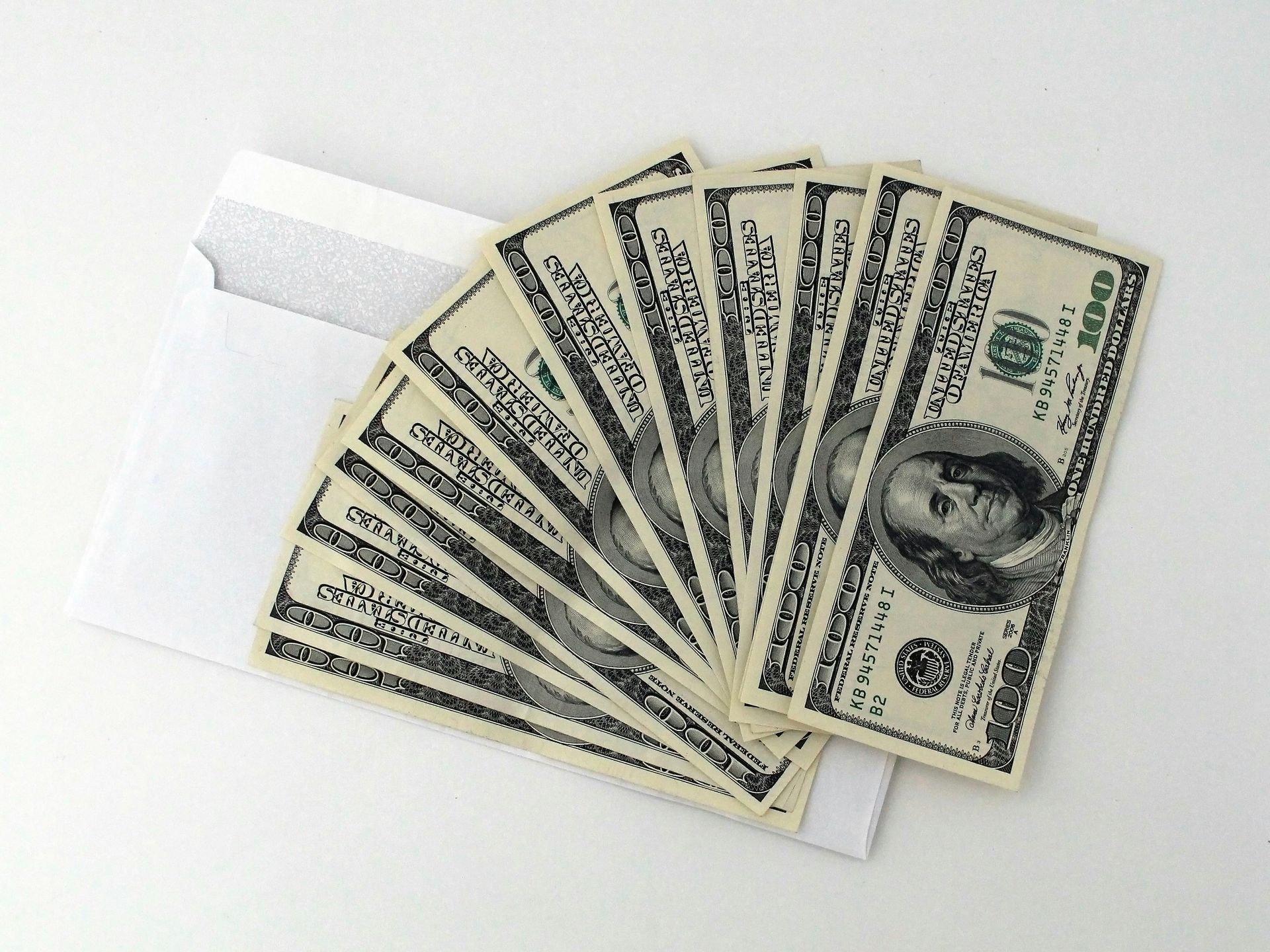
Collecting rent is one of the most important responsibilities for any landlord or property manager. While many tenants pay through bank transfers, checks, or online portals, some still prefer using cash. Although accepting cash may seem quick and hassle-free, it comes with significant risks. Cash transactions create more room for miscommunication, fraud, legal trouble, and financial inaccuracies. Without proper systems in place, landlords may unintentionally expose themselves to avoidable problems.
To help landlords stay protected, here is an in-depth look at the common mistakes made when accepting rent in cash, along with best practices and preventive strategies to safeguard your business and comply with Texas rental laws.
1. Failure to Document Payments
One of the biggest risks of accepting cash is the absence of a reliable paper trail. When rent is paid in cash, there is no automatic timestamp, record, or bank statement to confirm the transaction occurred. If you forget to issue a receipt or the tenant does not keep one, there is no evidence of payment other than verbal agreements.
This becomes problematic when disputes arise—such as a tenant claiming they paid rent when they didn’t, or if you misplace your notes or receipts. Without proper documentation, the landlord’s position becomes vulnerable, especially in court.
2. Not Keeping Organized Payment Records
Cash transactions require manual tracking, and landlords sometimes neglect to record them properly. This can create problems during:
- Tax filing, where rental income must match reported figures
- Property inspections or audits, where financial accuracy is expected
- Eviction proceedings, where payment history is required as evidence
When rent payments are not carefully tracked, overdue rent may accumulate without the landlord realizing it. Disorganization increases the chances of missed payments slipping through the cracks.
3. Not Reporting Cash Income to the IRS
Some landlords may feel tempted not to report cash payments as rental income, but this is a serious mistake. Failing to report income—whether intentional or accidental—is illegal. The IRS requires landlords to report all rental income, regardless of the payment method.
Not reporting cash rent can lead to:
- IRS penalties
- Fines
- Audits
- Possible legal consequences
Even if the omission was unintentional, the risk remains significant. Keeping all income properly documented and reported is essential for financial and legal safety.
4. Accepting Payments Without Identity Verification
Another overlooked issue is accepting cash from someone other than the tenant listed on the lease. Without verifying who is making the payment, landlords risk:
- Fraudulent payments
- Confusion about whether the actual tenant paid
- Disputes over missed or partial payments
- Unauthorized individuals gaining leverage over the lease
For example, if a third party pays rent and later claims to have tenancy rights, this can complicate eviction proceedings or create loopholes.
5. Inadequate Security When Handling Cash
Cash payments create physical security risks. Landlords collecting rent in person may be exposed to:
- Theft
- Robbery
- Loss or misplacement of money
- Unsafe interactions with tenants
Additionally, temporarily storing large amounts of cash before depositing it increases vulnerability. Even honest landlords can make mistakes if the money is misplaced, stolen, or damaged.
6. Lack of a Clear System for Late or Missed Cash Payments
When rent is not paid digitally, tracking late payments becomes more difficult. Without structured procedures—grace periods, fees, timelines—cash payments may lead to:
- Missed deadlines
- Confusion about the amount owed
- Difficulty proving consistent lateness
- Unnoticed overdue rent
Some landlords unintentionally allow late payments because they are not keeping records consistently. Over time, this undermines financial stability and may jeopardize legal standing during eviction.
Best Practices to Prevent Mistakes With Cash Rent Payments
Even though accepting cash is risky, some landlords choose to allow it due to tenant preferences or lack of digital access. If you must accept cash, these best practices will help minimize risk.
1. Encourage Safer Payment Methods
Whenever possible, encourage tenants to use:
- Bank transfers
- Mobile apps
- Money orders
- Checks
- Online rent payment portals
These methods create digital records and reduce risk. If cash is unavoidable, ask tenants to deposit it directly into your bank account and provide a screenshot or deposit slip. This ensures accurate tracking and reduces physical handling of cash.
2. Always Issue Receipts—Every Single Time
For every cash transaction:
- Provide a signed, dated receipt
- Record the amount, month, and payment method
- Keep a digital and physical copy
- Have the tenant sign an acknowledgment when possible
Using carbon-copy receipt books or digital receipt apps can prevent disputes and maintain reliable records.
3. Maintain a Detailed Rent Ledger
A rent ledger is a landlord’s best defense in case of disputes. It should include:
- Payment dates
- Payment amounts
- Payment methods
- Late fees
- Outstanding balances
Review the ledger monthly to ensure all cash payments have been properly accounted for. This also helps during tax season and legal proceedings.
4. Create a Clear Late Payment Policy
Your lease agreement should clearly state:
- Due date
- Grace period
- Late fee structure
- Procedures for missed payments
- When notices will be issued
Stick to this system consistently. Proper documentation ensures tenants understand expectations and prevents confusion or negotiated exceptions.
5. Avoid Collecting Cash in Person
If you must accept cash:
- Require tenants to make deposits at your bank
- Use a secure drop box with surveillance
- Avoid meeting at night or secluded areas
This reduces the risk of theft or unsafe encounters.
6. Verify Who Is Making the Payment
Always ensure that the individual paying rent is:
- The tenant listed on the lease
- An approved occupant
- Someone authorized in writing to submit payments
Never accept payment from unknown individuals without documentation.
7. Understand Texas Law on Rent Payments
Texas law allows landlords to decide which forms of rent payment they will or will not accept as long as it is clearly stated in the lease. Additionally:
- Landlords must provide a written receipt for cash payments if requested
- Documentation of rent is highly important in eviction proceedings
- Proper record-keeping protects landlords during disputes
Checking Texas Property Code requirements helps ensure compliance and legal protection.
Accepting cash rent payments is not inherently wrong, but it carries risks that many landlords overlook. From documentation gaps to legal liabilities, the smallest oversight can turn into a costly problem. By adopting structured systems, keeping thorough records, and encouraging safer payment methods, landlords can protect themselves from financial loss and disputes.
Staying organized, vigilant, and legally compliant is the key to maintaining a smooth landlord-tenant relationship and safeguarding your real estate investment.