
Fireworks Safety and Regulations: What Ridgewood Place Homeowners Need to Know
Ridgewood Place
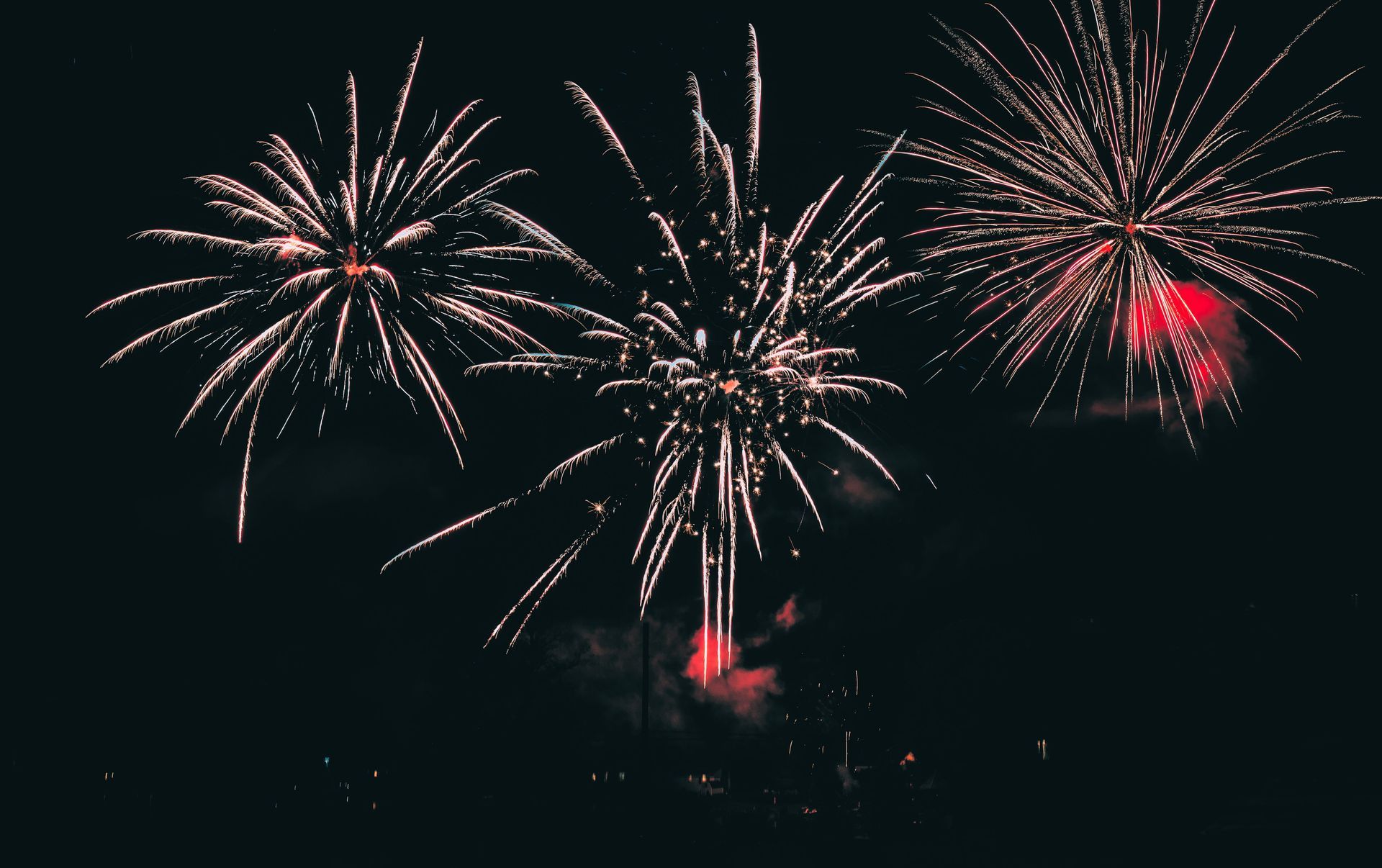
Fireworks are a popular part of Fourth of July celebrations and other holiday events, but they can also present significant risks when used improperly. Before purchasing or using fireworks, Ridgewood Place homeowners should understand the laws that apply to their property, any community or HOA restrictions, and the potential risks to people and property.
Fireworks can cause fires, burns, injuries, property damage, and disturbances for nearby residents. Taking a few minutes to understand local requirements and plan a safe celebration can help protect your household and your neighbors.
Fireworks Regulations Within Houston City Limits
One of the most important factors for homeowners is determining whether their property is located within the City of Houston.
Fireworks are prohibited within Houston city limits. The restrictions apply throughout the year and cover the manufacture, sale, possession, and use of fireworks within the city's jurisdiction.
Violations may result in substantial fines. Parents or guardians may also face responsibility when a minor is found possessing or using fireworks.
The Houston Fire Department enforces applicable fireworks regulations within the city, including areas that have been annexed into Houston and therefore fall under the city's jurisdiction.
Check Your Property's Jurisdiction
A Houston mailing address does not necessarily mean that a property is located within Houston city limits. Some properties with a Houston mailing address may be outside the city's municipal boundaries.
Before purchasing or using fireworks, homeowners should confirm which local jurisdiction applies to their property. Understanding the applicable rules can help prevent legal problems while also reducing unnecessary fire and injury risks.
Homeowners should also review any applicable HOA or community requirements before planning a fireworks-related celebration.
Why Fireworks Restrictions Are Important
Fireworks can be enjoyable when handled responsibly, but they involve fire, heat, explosive materials, and unpredictable movement. Local regulations and community restrictions are intended to reduce these risks and protect residents, homes, and surrounding properties.
Fire and Property Damage Risks
A fireworks-related fire can spread quickly and cause extensive damage. Sparks or burning materials can ignite:
- Roofs and homes
- Vehicles
- Wooden fences
- Dry grass
- Landscaping
- Shrubs and trees
- Other combustible materials
Even fireworks that appear relatively harmless can produce extremely high temperatures. Sparklers, for example, can become hot enough to cause serious burns or ignite nearby materials.
Keeping fireworks away from homes, landscaping, vehicles, and other combustible items is an important part of fire prevention.
Dry Texas Weather Can Increase Fire Risk
Texas homeowners should be especially aware of conditions that can increase the likelihood of a fire spreading.
Periods of extreme heat, drought, and dry vegetation can make grass, brush, and landscaping more susceptible to ignition. Under these conditions, a small spark can potentially develop into a larger fire.
For this reason, homeowners should check current local conditions and restrictions before planning any outdoor celebration involving fire or fireworks.
Burn Bans and Temporary Restrictions
Fireworks rules may also be affected by temporary emergency conditions.
Texas law allows counties to impose restrictions on certain activities, including fireworks, during declared disasters or periods of severe drought and elevated fire danger.
A burn ban or other emergency restriction can change what activities are permitted, even if fireworks would otherwise be allowed in a particular area.
Before using fireworks, homeowners should verify whether any current county restrictions, burn bans, emergency orders, or other applicable regulations are in effect.
Fireworks Can Affect More Than the Person Using Them
Fireworks are not only a potential fire and injury hazard. They can also affect the quality of life of people living nearby.
Loud explosions may create problems for:
- Young children
- Older adults
- People with certain medical conditions
- Veterans
- Individuals with PTSD
- Pet owners and their animals
- Residents who need a quiet environment
Pets can become frightened or anxious because of sudden loud noises. Repeated fireworks can also disturb sleep and create significant noise in residential neighborhoods.
Being considerate of surrounding households is an important part of responsible holiday celebrations.
Fireworks Safety Tips for Homeowners
If fireworks are legally permitted where you live and you decide to use them, take appropriate precautions to reduce the possibility of injury or fire.
Keep Water or Fire Suppression Equipment Nearby
Have a garden hose, bucket of water, or appropriate fire extinguisher readily available before beginning.
Do not wait until a fire starts to look for a way to put it out. Having emergency equipment nearby allows you to respond more quickly if something goes wrong.
Never Try to Relight a Firework
A firework that fails to function properly can still contain active material.
Do not attempt to relight, handle, or immediately approach a malfunctioning firework. Allow it to sit for several minutes and follow appropriate safety and disposal guidance. Soaking used or malfunctioning fireworks in water before disposal can help reduce the risk of accidental ignition.
Keep Children Away From Fireworks
Children should never handle fireworks without direct adult supervision.
Even small fireworks can cause burns and other serious injuries. Adults should maintain close supervision and keep children at a safe distance from fireworks and related materials.
Dispose of Fireworks Carefully
Used fireworks should be handled carefully after they have finished burning.
Placing spent fireworks in water before disposal can help prevent remaining hot or burning materials from causing an accidental fire.
Do not leave used fireworks near dry grass, trash, landscaping, wooden structures, or other combustible materials.
Follow All Applicable Rules
Before buying or using fireworks, check all regulations that apply to your property.
This may include:
- City fireworks regulations
- Harris County requirements
- Current burn bans
- Temporary emergency restrictions
- HOA or community rules
- Applicable fire-safety requirements
Following the rules is an important part of protecting your home and the surrounding community.
Consider Safer Alternatives to Fireworks
Homeowners do not have to use personal fireworks to enjoy a holiday celebration.
There are several ways to create a festive atmosphere while reducing the risks associated with fireworks.
Consider:
- Attending a professionally managed fireworks display
- Organizing a neighborhood barbecue
- Decorating your home with patriotic lights
- Using glow sticks
- Using LED lighting or displays
- Participating in local community events
- Watching a professional fireworks presentation
Professional fireworks displays are managed by trained personnel and are designed with safety measures that are difficult to replicate in a residential setting.
For many families, attending a public display can provide the excitement of fireworks without requiring homeowners to manage fireworks themselves.
Be Considerate of Your Neighbors
A successful holiday celebration should take the surrounding community into consideration.
Before planning a fireworks-related activity, think about how noise and fire risks may affect nearby households. Some neighbors may have young children, elderly family members, pets, or other circumstances that make loud fireworks particularly disruptive.
Choosing a quieter celebration or attending a professional display can help reduce these concerns.
Being a considerate neighbor also means following community rules and avoiding activities that could create unnecessary risks for surrounding homes.
Protect Your Home and Community
Understanding local fireworks regulations and following basic fire-safety practices can help homeowners make informed decisions during holidays and other celebrations.
For Ridgewood Place residents, it is important to consider Houston fireworks laws, applicable Harris County restrictions, current fire conditions, and community or HOA requirements before using fireworks.
When fireworks are prohibited or conditions create an elevated fire risk, choosing a safer alternative is the responsible choice. Even when fireworks are legally permitted, homeowners should take reasonable precautions to protect people, homes, landscaping, and neighboring properties.
The safest way to enjoy fireworks remains attending a professionally managed public display. Planning ahead, checking applicable regulations, and being mindful of neighbors can help make holiday celebrations safer and more enjoyable for the entire community.
Review Your Community Requirements
For complete information about fire-safety requirements and community-specific restrictions, Ridgewood Place homeowners should review the association's governing documents.
Please refer to the association's governing documents
HERE
for complete details regarding applicable fire-safety and community restrictions.