
How Tenants Can Prevent Security Deposit Charges When Moving Out
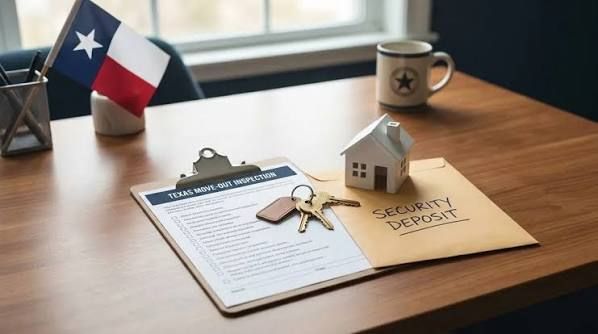
Moving out of a rental property can be stressful, but losing part of your security deposit doesn't have to be inevitable.
Many tenants wait until move-out day to think about their security deposit. By then, it may be too late to fix problems, document existing conditions, or correct issues that could result in charges.
The best way to protect your deposit is to start before you move in and continue taking simple steps throughout your tenancy.
Texas law provides important protections for renters, including protections against being charged for normal wear and tear. But tenants also have responsibilities. Damage caused by negligence, misuse, or failure to properly care for the property can potentially result in deductions.
The good news? A little preparation and documentation can go a long way toward preventing unexpected charges.
1. Document the Property Before You Move In
Your security deposit protection starts on move-in day.
Before moving furniture into the property, walk through the entire home and look for existing damage.
Check:
- Walls and ceilings
- Flooring and carpet
- Doors and door frames
- Windows and screens
- Cabinets and countertops
- Appliances
- Plumbing fixtures
- Light fixtures
- Blinds and window coverings
- Outdoor areas
Take clear, dated photos and videos of anything that is already damaged, stained, scratched, broken, or worn.
Don't assume something is too minor to document.
That small carpet stain or wall mark may seem insignificant now, but having a record showing that it existed before your tenancy could become important when you move out.
If your landlord or property manager provides a move-in inspection form, complete it carefully and return it according to the instructions.
Your goal is to create a record of the property's condition when you received it.
2. Don't Just Take Photos—Keep Them Organized
Taking hundreds of pictures is helpful only if you can find them later.
Create a folder specifically for your rental property. Keep your:
- Move-in photos
- Move-in videos
- Inspection forms
- Maintenance requests
- Emails with your landlord or property manager
- Repair documentation
- Move-out photos and videos
If possible, organize photos by room.
For example:
Kitchen → Cabinets → Existing scratches
Bedroom 1 → Carpet → Existing stain
This makes it much easier to compare the property's condition when you move out.
3. Report Problems Early
One of the easiest ways tenants can prevent charges is by reporting maintenance issues promptly.
If you notice a leaking pipe, water stain, broken appliance, damaged window, or another property issue, don't ignore it.
A small maintenance problem can become a much larger—and potentially more expensive—problem if it is left unresolved.
For example, a minor plumbing leak that goes unreported could eventually cause significant water damage.
Use your landlord or property manager's required maintenance-request process and keep a copy of the request.
Reporting a problem creates a record that you notified the property owner or manager.
4. Follow the Lease—Especially When It Comes to Pets and Alterations
Your lease is one of the most important documents when it comes to avoiding unnecessary charges.
Before making changes to the property, review your lease.
This includes things such as:
- Painting
- Installing shelves
- Mounting televisions
- Changing fixtures
- Installing locks
- Making landscaping changes
- Keeping pets
- Installing equipment
Don't assume that something is allowed simply because it seems harmless.
If the lease requires written approval, get that approval in writing before making the change.
Unauthorized alterations can potentially create charges when you move out.
5. Take Care of the Property Throughout Your Lease
Security deposit protection isn't something you should think about only during the final week of your tenancy.
Regular care can prevent small problems from becoming expensive repairs.
Simple habits include:
- Clean spills promptly.
- Use coasters and protective pads where appropriate.
- Avoid dragging heavy furniture across floors.
- Keep drains clear.
- Follow appliance instructions.
- Replace filters when required.
- Keep the property reasonably clean.
- Follow pet-related requirements.
- Report maintenance problems promptly.
Regular maintenance and responsible use can help keep ordinary household issues from turning into tenant-caused damage.
6. Know the Difference Between Wear and Damage
Not everything that looks imperfect at move-out is necessarily something you have to pay for.
Texas law generally distinguishes between normal wear and tear and damage caused by the tenant.
Normal wear and tear can include things such as gradual carpet wear, minor scuffs, or paint fading from ordinary use.
Tenant-caused damage is different.
Examples may include:
- Large holes in walls
- Broken doors
- Burn marks
- Significant stains
- Broken fixtures
- Damage caused by negligence
- Damage resulting from unauthorized alterations
Understanding this distinction can help you identify problems before move-out and address issues that you are actually responsible for.
7. Don't Wait Until Move-Out Week to Start Cleaning
One of the biggest move-out mistakes is leaving everything until the last day.
Instead, start preparing several weeks before your lease ends.
Go room by room and make a list of anything that needs attention.
Look for:
- Wall marks
- Stains
- Broken blinds
- Damaged screens
- Missing items
- Excessive dirt or buildup
- Pet-related damage
- Damaged fixtures
- Unauthorized changes
Starting early gives you time to determine what needs to be cleaned, repaired, or reported.
8. Clean Thoroughly Before Returning the Keys
A thorough cleaning can help prevent avoidable charges.
Pay particular attention to areas that are easy to overlook:
- Inside cabinets
- Inside appliances
- Baseboards
- Windows and window tracks
- Bathrooms
- Kitchen surfaces
- Floors
- Closets
- Outdoor areas
Also remove all personal belongings and trash.
If your lease specifies particular cleaning requirements, follow those requirements carefully.
9. Don't Try to Hide Damage
If something was accidentally damaged during your tenancy, hiding it is rarely the best strategy.
Painting over a hole, covering a stain with furniture, or attempting an unapproved repair could potentially make the situation worse.
If you are responsible for damage, review your lease and contact your landlord or property manager about the appropriate process.
Being upfront can help prevent misunderstandings and may give you an opportunity to address the issue properly before move-out.
10. Take Move-Out Photos and Videos
Once the property is clean and empty, document it again.
Take clear photos and a walkthrough video showing:
- Every room
- Floors
- Walls
- Appliances
- Bathrooms
- Cabinets
- Closets
- Windows
- Doors
- Exterior areas, when applicable
Make sure the property is well lit.
Your move-out documentation can then be compared with your move-in records.
This creates a before-and-after record of the property's condition.
11. Return Everything You're Supposed To Return
Before leaving, check your lease and move-out instructions.
Make sure you return:
- All keys
- Garage remotes
- Access cards
- Gate remotes
- Parking permits
- Other property-issued devices
Leaving behind access devices or failing to return required items could result in charges if permitted under the applicable agreement or law.
12. Keep Your Forwarding Address Updated
Don't forget one simple administrative step: provide your forwarding address.
Make sure your landlord or property manager has the correct address for security-deposit correspondence and any required return.
Keep a record showing when you provided the information.
What Does Texas Law Say About Security Deposits?
Texas Property Code Section 92.104 generally prohibits a landlord from deducting charges for normal wear and tear from a security deposit.
Generally, deductions may be made for amounts the tenant is legally responsible for, such as damage beyond normal wear and tear or other amounts permitted by law.
Texas law also addresses the return of security deposits and circumstances involving wrongful withholding.
Because security-deposit disputes can depend on the specific lease, property condition, documentation, and circumstances, tenants should review the applicable law and seek legal advice when necessary.
Your Best Defense Is Documentation
When it comes to security deposits, one of the most powerful things a tenant can have is proof.
Don't rely on memory.
Document the condition when you move in.
Document maintenance issues during the tenancy.
Document the condition when you move out.
Keep your lease, inspection records, photos, videos, and written communications together.
If questions arise about a charge, you'll have records that show what the property looked like when you moved in and what condition it was in when you left.
Your Security Deposit Checklist
Before you move out, ask yourself:
- Did I review my lease's move-out requirements?
- Did I report maintenance issues during my tenancy?
- Did I document existing damage when I moved in?
- Did I clean the property thoroughly?
- Did I address tenant-caused damage?
- Did I remove all personal belongings?
- Did I take final photos and videos?
- Did I return all keys and access devices?
- Did I provide my forwarding address?
- Did I save copies of my records?
The Bottom Line
Protecting your security deposit doesn't begin when you hand over the keys.
It begins on move-in day.
Document the property's condition, report problems promptly, follow your lease, take care of the home, clean thoroughly, and document the property again before you leave.
Most importantly, don't wait until there's a dispute to start gathering evidence.
The better your records, the easier it can be to show what was already there, what happened during your tenancy, and what condition you left the property in.