
Carpet Flooring: Benefits, Care Tips, and Long-Term Maintenance
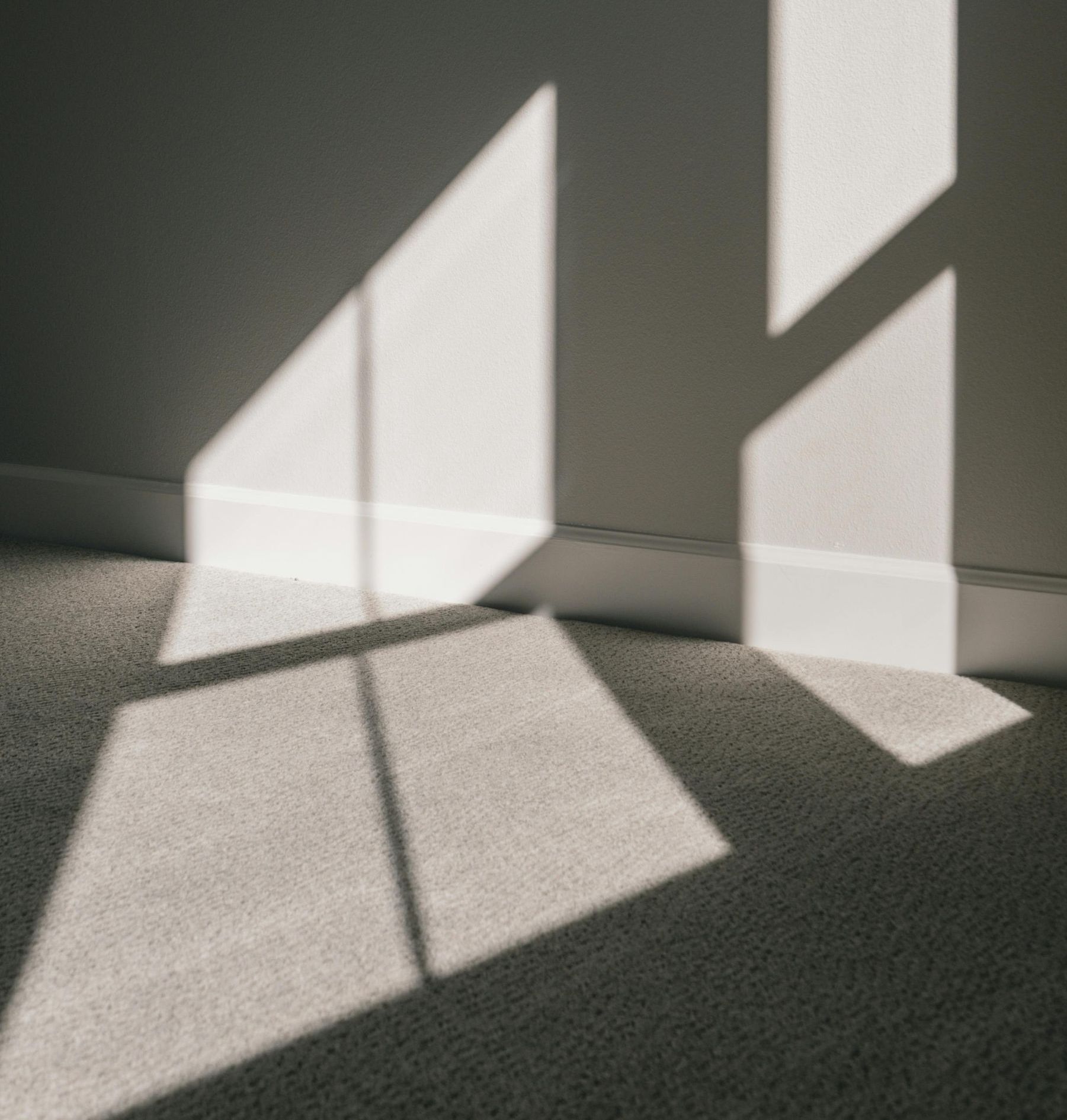
Carpet flooring is one of the most popular choices for residential spaces due to its comfort, warmth, and ability to transform a room into a welcoming environment. Made from woven or tufted textiles, carpet contains a layer of soft fibers created from materials such as nylon, polyester, wool, or polypropylene. These fibers are attached to a backing system and manufactured in a wide range of colors, patterns, and textures, allowing carpets to suit nearly any interior style from modern and minimalistic to cozy and traditional. Because carpet offers a cushioned surface underfoot, it is comfortable to walk on, sit on, or even lie down, making it ideal for living rooms, bedrooms, and kids’ play areas.
In addition to comfort, carpet provides several functional benefits. Carpet flooring retains warmth exceptionally well, making rooms feel more insulated and energy-efficient during colder months. Its thick, padded texture also absorbs sound, which helps reduce noise transfer between rooms and floors—an advantage in multi-story homes and apartment buildings. Furthermore, carpet’s non-slip surface helps prevent slips and falls, creating a safer environment for children, older adults, and pets.
Benefits of Carpet Flooring
Carpet flooring offers a wide range of practical and aesthetic benefits that make it suitable for many homes:
1. Enhanced Comfort and Warmth
Carpets offer unmatched softness compared to hard flooring surfaces. The fibers cushion your steps and help maintain a warm environment by trapping heat, especially during winter. This added insulation can contribute to lower energy costs over time.
2. Noise Reduction
Carpet acts as a natural sound absorber. It minimizes echoes, footsteps, and noise transfer between levels of a home. This makes carpet ideal for upstairs bedrooms, hallways, and areas where privacy or quietness is desired.
3. Safety Features
The non-slip surface reduces the risk of falls, especially on stairs or in busy areas. For households with children or elderly individuals, carpet can help provide a safer living environment.
4. Versatility in Design
Carpet comes in countless patterns, colors, and textures. Whether you want a bold statement piece, a neutral tone, or a plush, luxurious feel, carpet offers endless options to match your décor.
5. Budget-Friendly Options
Carpet can be more affordable than many other flooring types. With proper care, carpets can last many years, offering good value for the investment.
Tips for Maintaining Carpet Flooring
Keeping carpet floors in great condition is essential for maintaining both the comfort and appearance of your home. Proper maintenance also helps improve indoor air quality, reduce allergens, and extend the life of the flooring.
Here are some essential tips:
1. Vacuum Regularly
Vacuuming at least once a week—or more frequently in high-traffic areas—helps remove dirt, dust, pet hair, and debris. Dirt that settles deep into carpet fibers can cause premature wear, so consistent vacuuming is one of the most important maintenance habits.
2. Address Spills and Stains Promptly
Immediate attention is key to preventing stains from setting in. Use a carpet cleaner or a mild soap-and-water solution to dab the affected area. Always blot gently instead of rubbing, as rubbing can spread the stain or cause the fibers to fray and wear down.
3. Schedule Deep Cleaning Every 6–12 Months
Professional steam cleaning or using a high-quality carpet shampooer removes deep-seated dirt, allergens, and bacteria that regular vacuuming cannot reach. Deep cleaning helps restore the carpet’s original texture and color, extending its lifespan.
4. Use Doormats and Area Rugs
Place mats at entry points and area rugs in high-traffic areas such as hallways and living rooms. These protective layers help reduce wear and tear and trap dirt before it reaches the carpet.
5. Avoid Over-Wetting During Cleaning
Excessive moisture can seep into the carpet padding, leading to mold or mildew growth—especially in humid climates. When cleaning, make sure carpets dry thoroughly, using fans or opening windows to speed up the process.
6. Rotate Furniture Periodically
Heavy furniture can leave deep indentations in carpets. Shifting furniture slightly every few months prevents permanent marks and allows the carpet fibers to bounce back over time.
7. Protect Carpet from Sunlight
Prolonged exposure to direct sunlight can cause fading. Use curtains, blinds, or UV-protective film on windows to maintain your carpet’s color and appearance.
8. Trim Snags Carefully
If you notice loose threads or snags, trim them with scissors instead of pulling them. Pulling can cause unraveling and greater damage to the carpet.
Why Regular Carpet Maintenance Matters
Routine carpet care does much more than keep your floors looking clean—it plays a major role in creating a healthy, comfortable environment. Here’s why maintenance is so important:
1. Extends the Life of the Carpet
Regular cleaning prevents early deterioration of carpet fibers. Dirt, dust, and debris can act like sandpaper, wearing down fibers over time. Consistent upkeep protects the integrity of the carpet and helps avoid expensive replacement costs.
2. Improves Indoor Air Quality
Carpets trap allergens, dust mites, pet dander, and bacteria. If not cleaned regularly, these can affect indoor air quality and trigger allergies or respiratory issues. Vacuuming, deep cleaning, and preventing moisture buildup help keep the home healthy.
3. Enhances Home Appearance
Well-maintained carpet instantly makes a room feel cleaner and more inviting. Regular stain treatment and routine deep cleaning keep the carpet looking fresh and vibrant.
4. Prevents Odors
Spills, dirt, and pet accidents can create lingering odors if not addressed promptly. Proper cleaning helps eliminate smells and keeps the home smelling pleasant.
5. Reduces Safety Risks
Clean carpets reduce slipping hazards, while dry carpets prevent mold and mildew growth that could cause health problems or damage property.
6. Saves Money Long-Term
Routine maintenance is far more affordable than replacing carpet prematurely. Taking preventive measures such as using mats and regularly cleaning heavily used areas helps maintain the carpet’s durability.
Carpet flooring brings warmth, softness, and style to a home, but it requires consistent care to stay beautiful and functional. By vacuuming regularly, addressing stains quickly, and scheduling periodic deep cleaning, you can maintain a fresh, clean, and long-lasting carpet. Creating good maintenance habits not only improves comfort but also contributes to a healthier indoor environment and a more enjoyable living space.
With proper upkeep, carpets can continue to enhance your home’s beauty, safety, and comfort for many years.